Lecture Assignments
Assignment 1
This session started with the 1-minute presentation for assignment 5.3 Group Assignment - Complete design, digital poster. We worked together on the poster, but Bas presented it, since he has the nicest voice and a British accent in our group. To come across as a team, we all stood in front of the screen. I liked the 1-minute format, because it allowed us to show what we had done without going into too much detail, which was a nice change.
Assignment 2
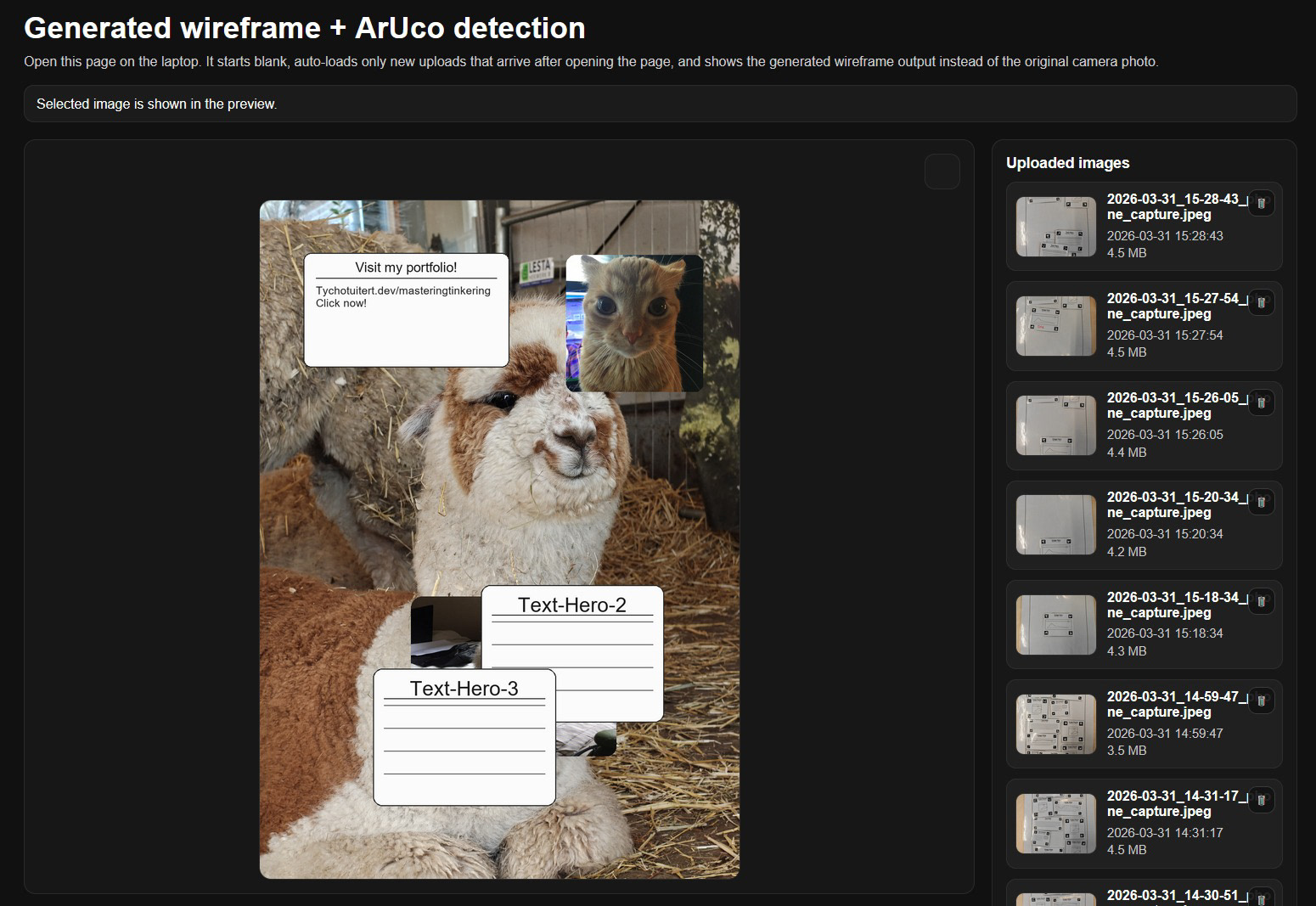
After all the presentations had been completed, it was time for the demos. Mr Dertien was the first teacher to visit our table. We showed him everything our program and setup were able to do. A more detailed explanation of the project can be found in 5.2 Group Assignment - Physical MVP, first iteration and Session 7. During the demo, he created a web design, which can be found in Figure 11. Figures 1-10 show Mr Dertien interacting with our product during the demo. He responded very enthusiastically and appreciated both our product and the different ways in which it could be used, such as creating furniture blueprints or designing user interfaces.
After his visit, several students also came to our table because they were interested in our design. We demonstrated how multiple people could work together with our setup to create a webpage design. In the meantime, I also took the opportunity to explore the work of the other groups. I was particularly interested in the group that focused on creating a game with cards and the group that had built a wind tunnel.
The group with the card-based game had an interesting concept, but in my opinion, the execution was less successful. After arranging the papers next to each other, one person in the group took a picture and sent it to ChatGPT 5.4 Thinking using a predefined prompt. After waiting for around eight minutes, the generated result was only a black screen. This demonstrated to me that an AI link or API integration does not always function reliably in practice, especially when consistent output is needed. It highlighted the importance of building systems that are dependable and robust, rather than relying too heavily on unpredictable results.
I also really liked the group with the wind tunnel. I made a paper airplane, attached it with a small wire to keep it secure, and then they turned on the fan. It was nice to see the plane in action, and the setup created a clear and interactive demonstration. At the same time, I wondered about the design of the tunnel itself, because it did not feel very tinkerable. This made me reflect on how important it is for a design not only to work well, but also to invite experimentation and hands-on interaction.
The last teacher to visit our table was Ms Madar. She was the final teacher to whom we presented our project. As with Mr Dertien, we showed her the full setup and explained its functionality. She needed some additional explanation about how the code worked, especially because we did not use AI in our final result. However, after this explanation, the project was clear to her. She also created a web design, which can be found in Figure 17. Figures 12-16 show Ms Madar interacting with our product during the demo. She responded positively, which was encouraging and rewarding to hear.
This was the final session of Mastering Tinkering. Looking back, I really enjoyed the collaborative nature of the course and the opportunity to work closely in a group. I am proud of what we created together, both in terms of the final outcome and the process that led us there.
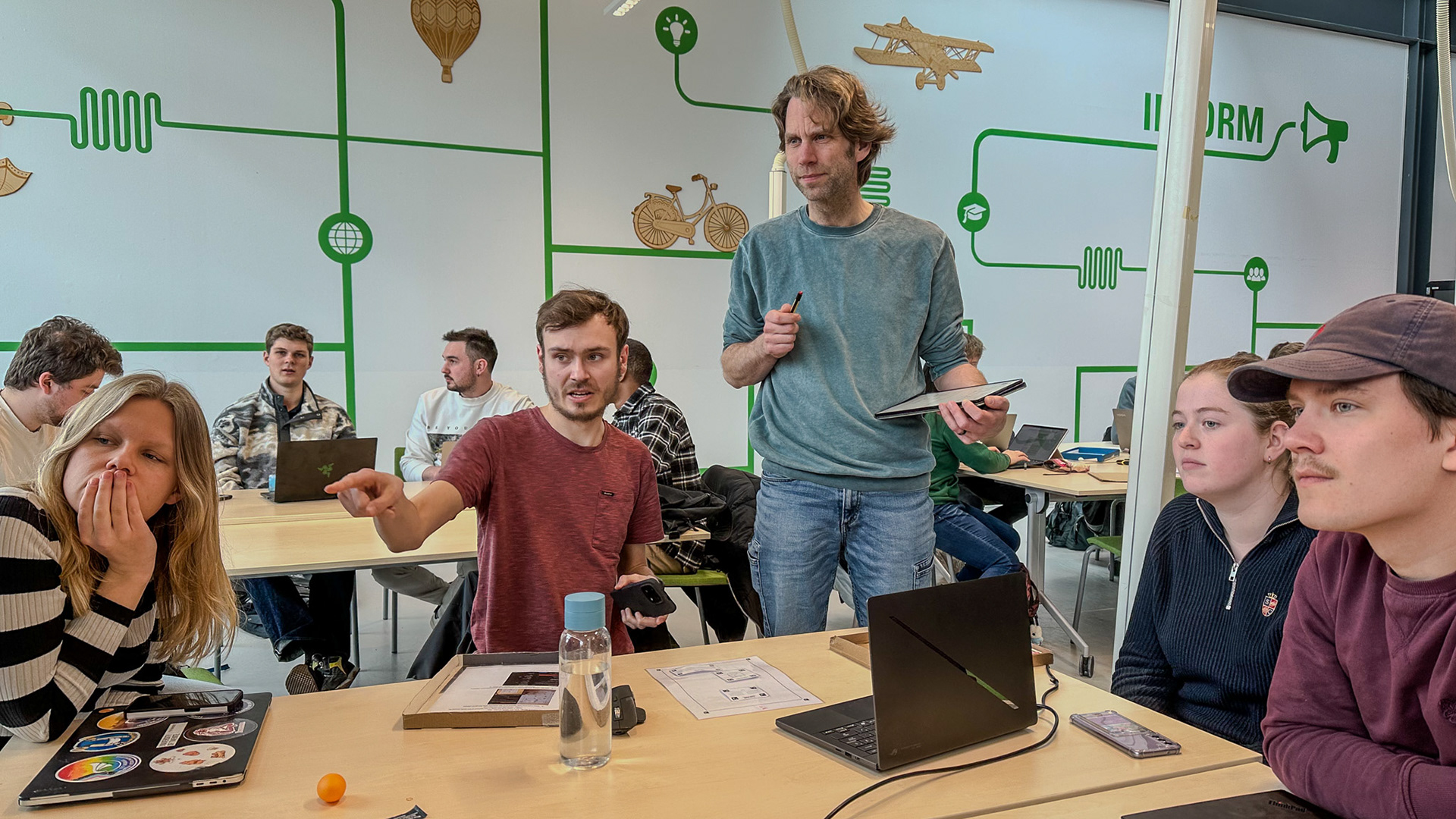
Figure 1. Mr Dertien using our product (1/10).
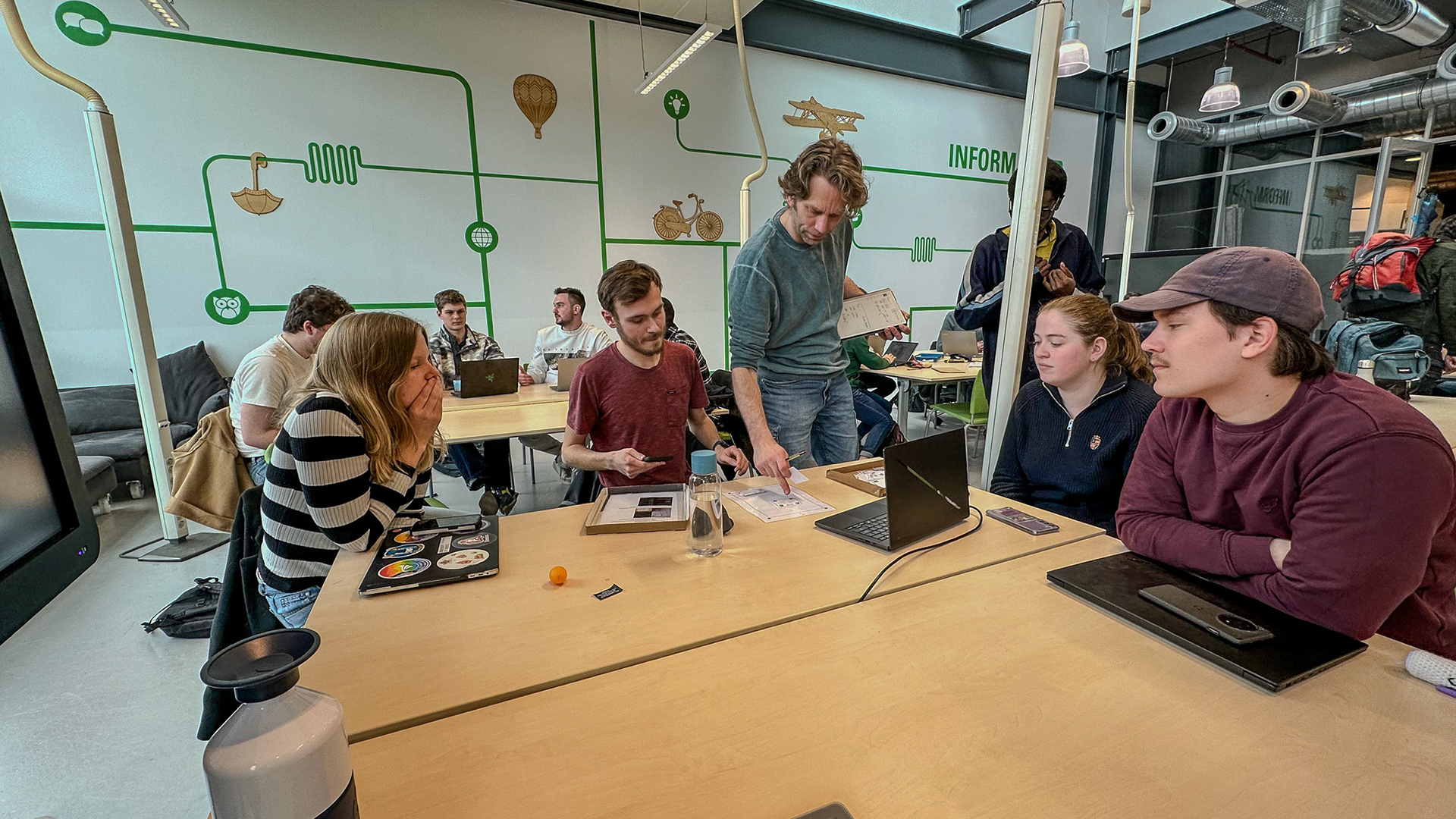
Figure 2. Mr Dertien using our product (2/10).
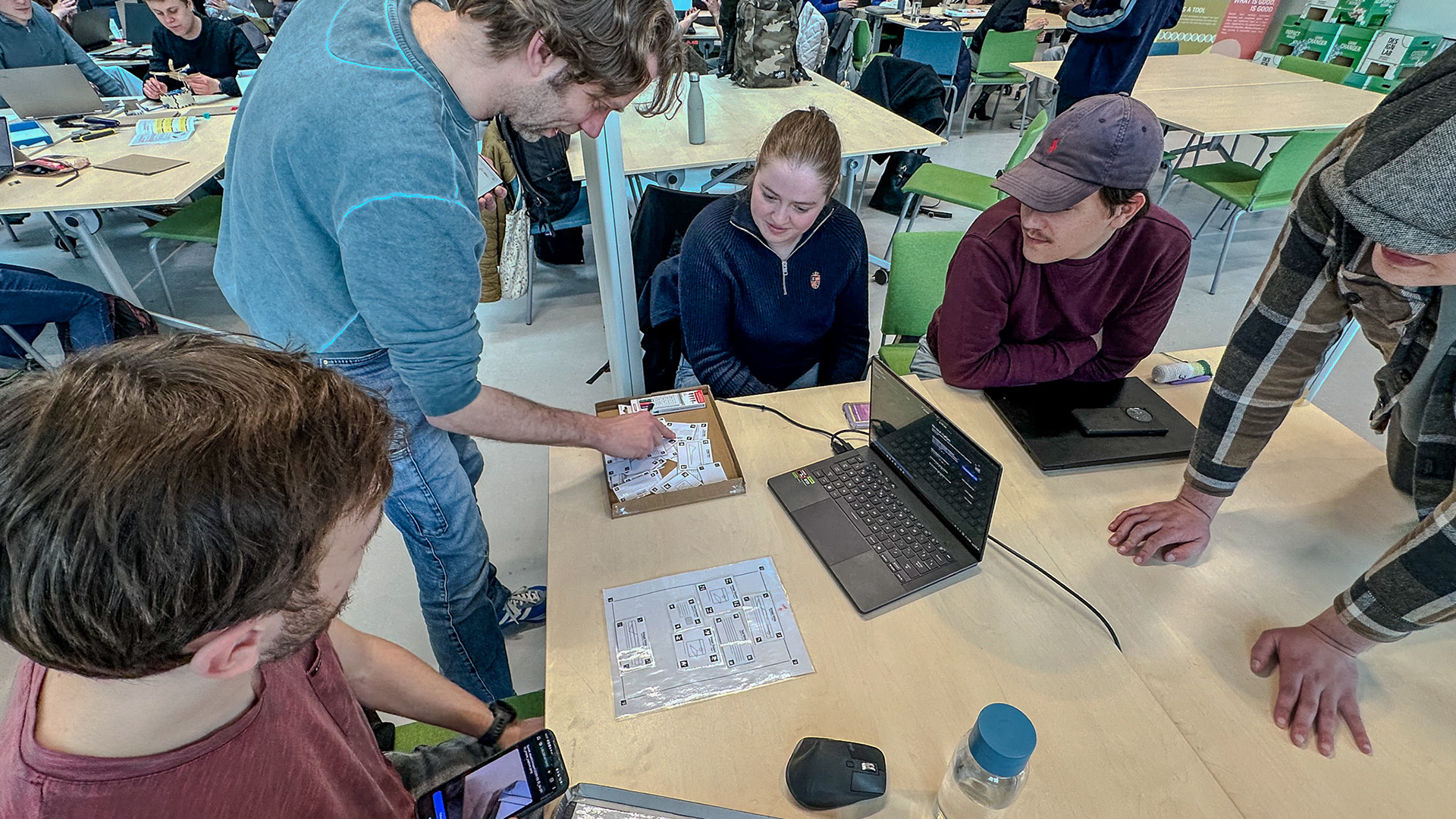
Figure 3. Mr Dertien using our product (3/10).
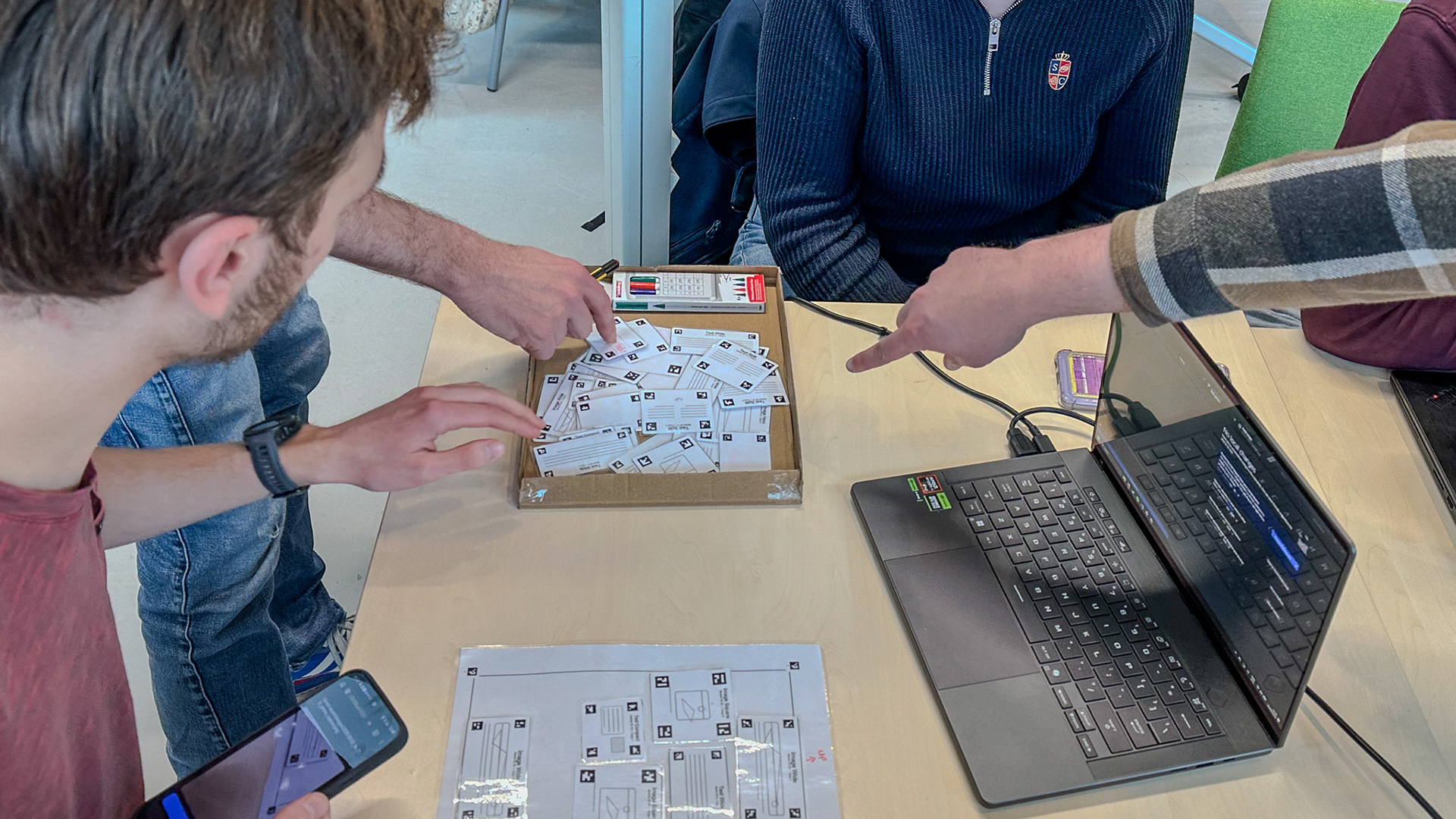
Figure 4. Mr Dertien using our product (4/10).
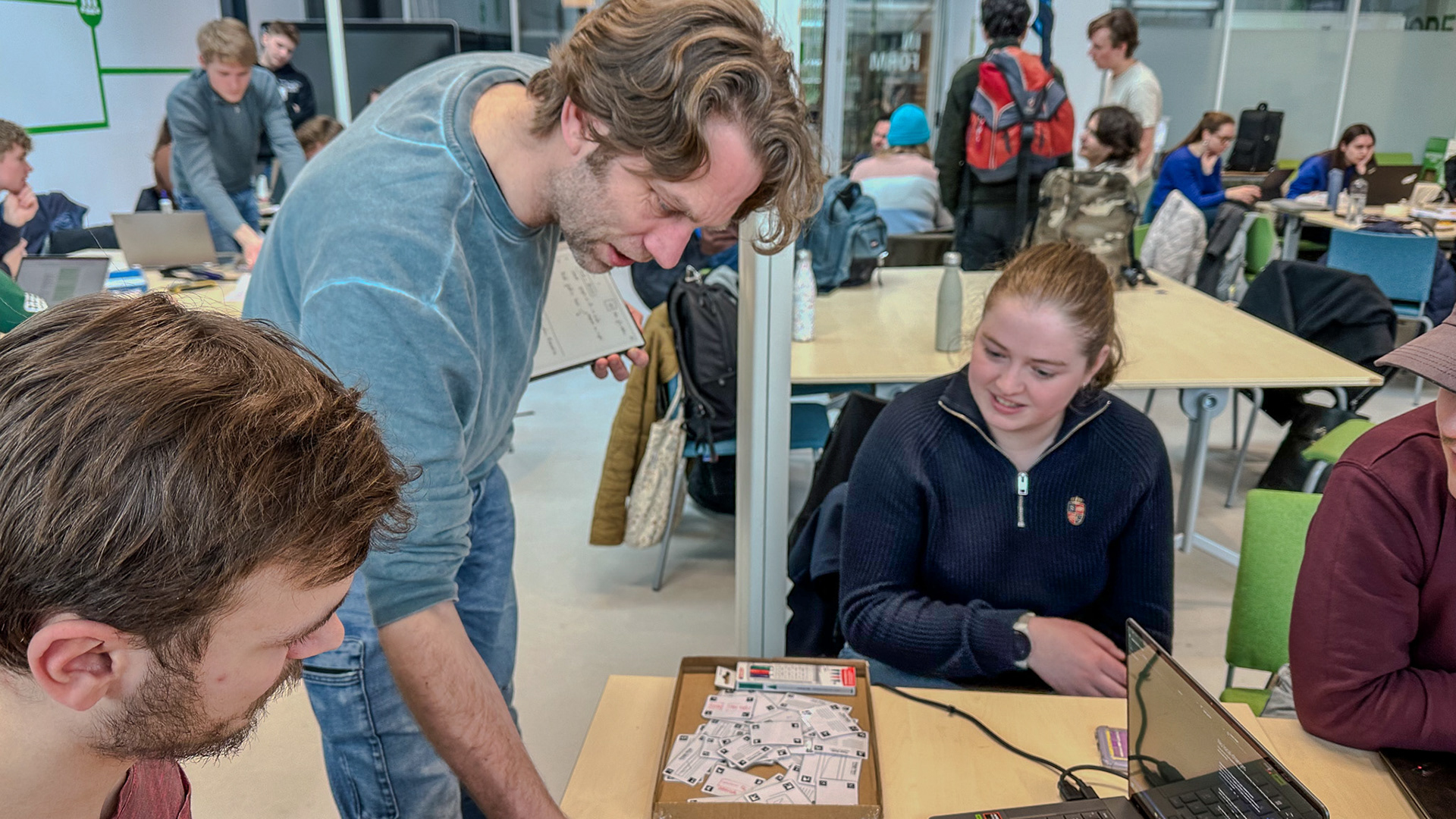
Figure 5. Mr Dertien using our product (5/10).
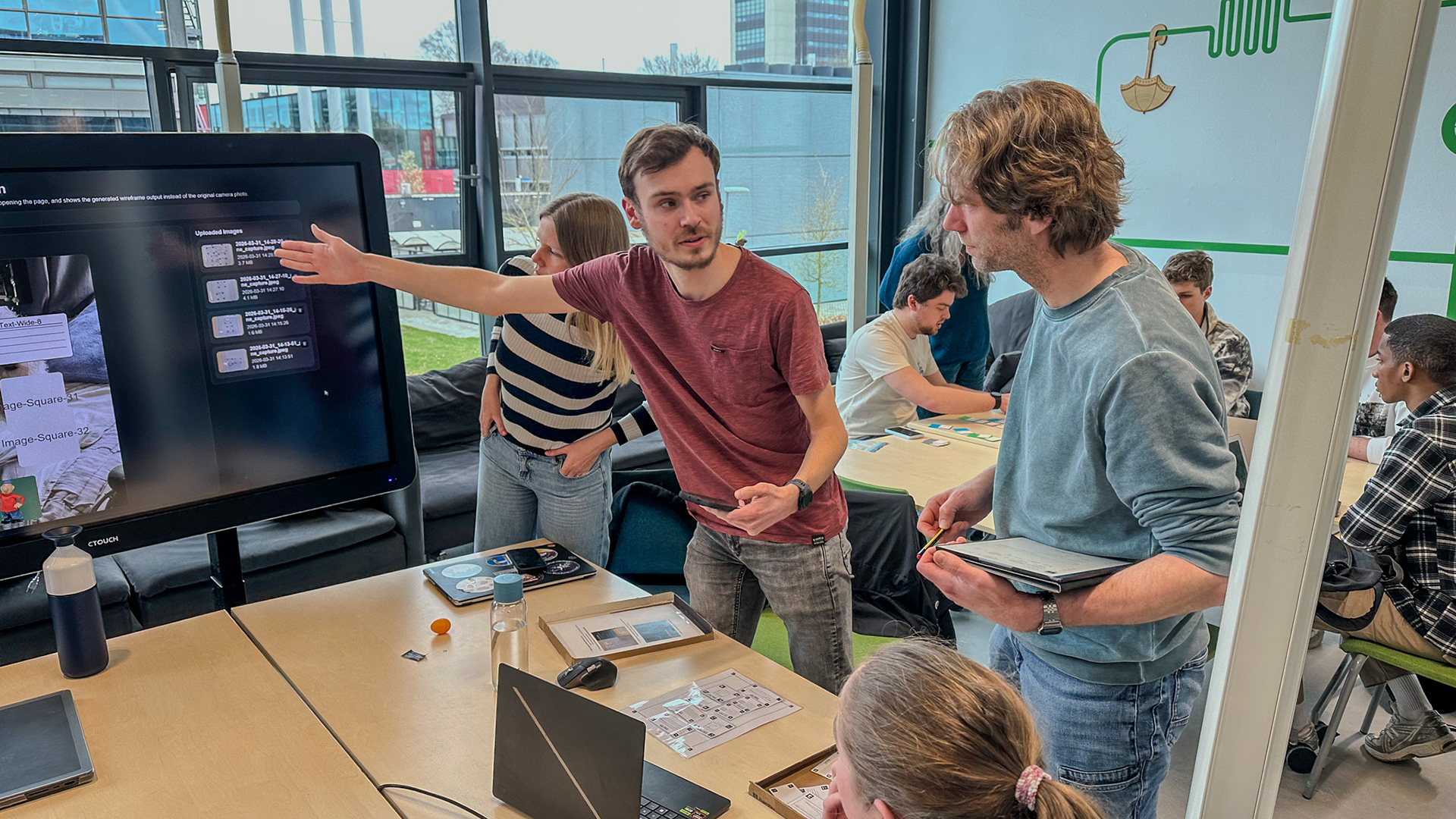
Figure 6. Mr Dertien using our product (6/10).
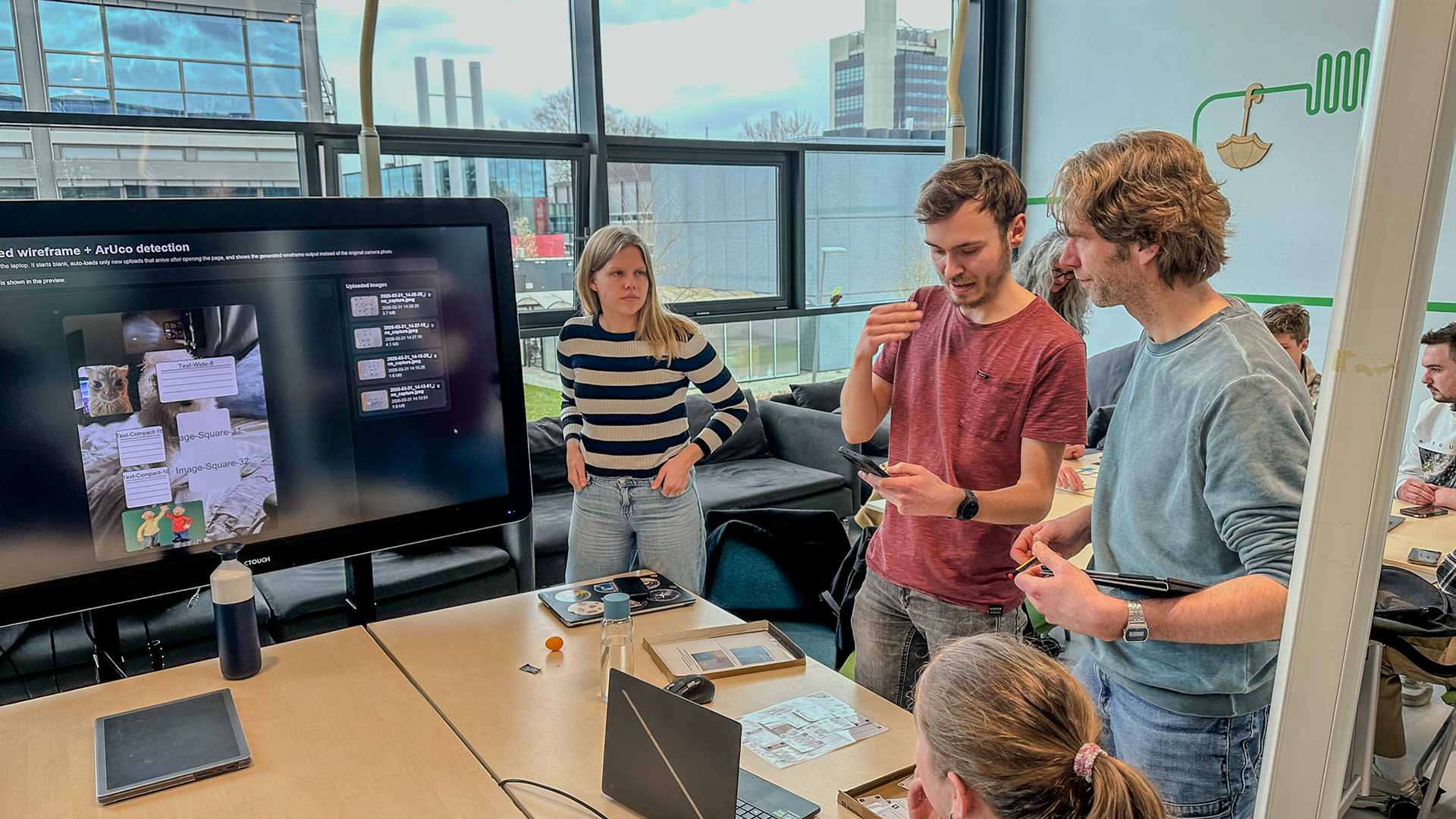
Figure 7. Mr Dertien using our product (7/10).
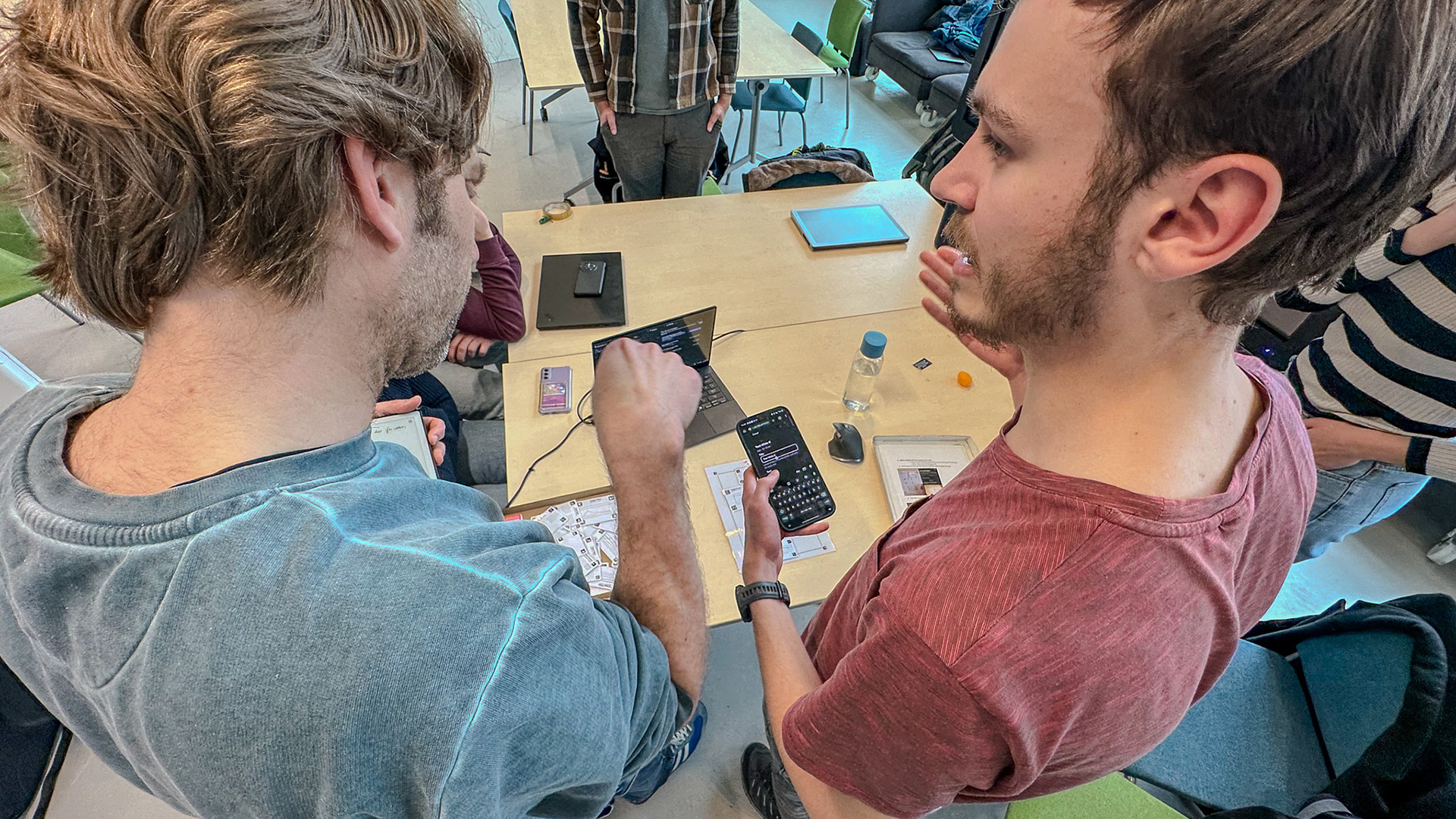
Figure 8. Mr Dertien using our product (8/10).
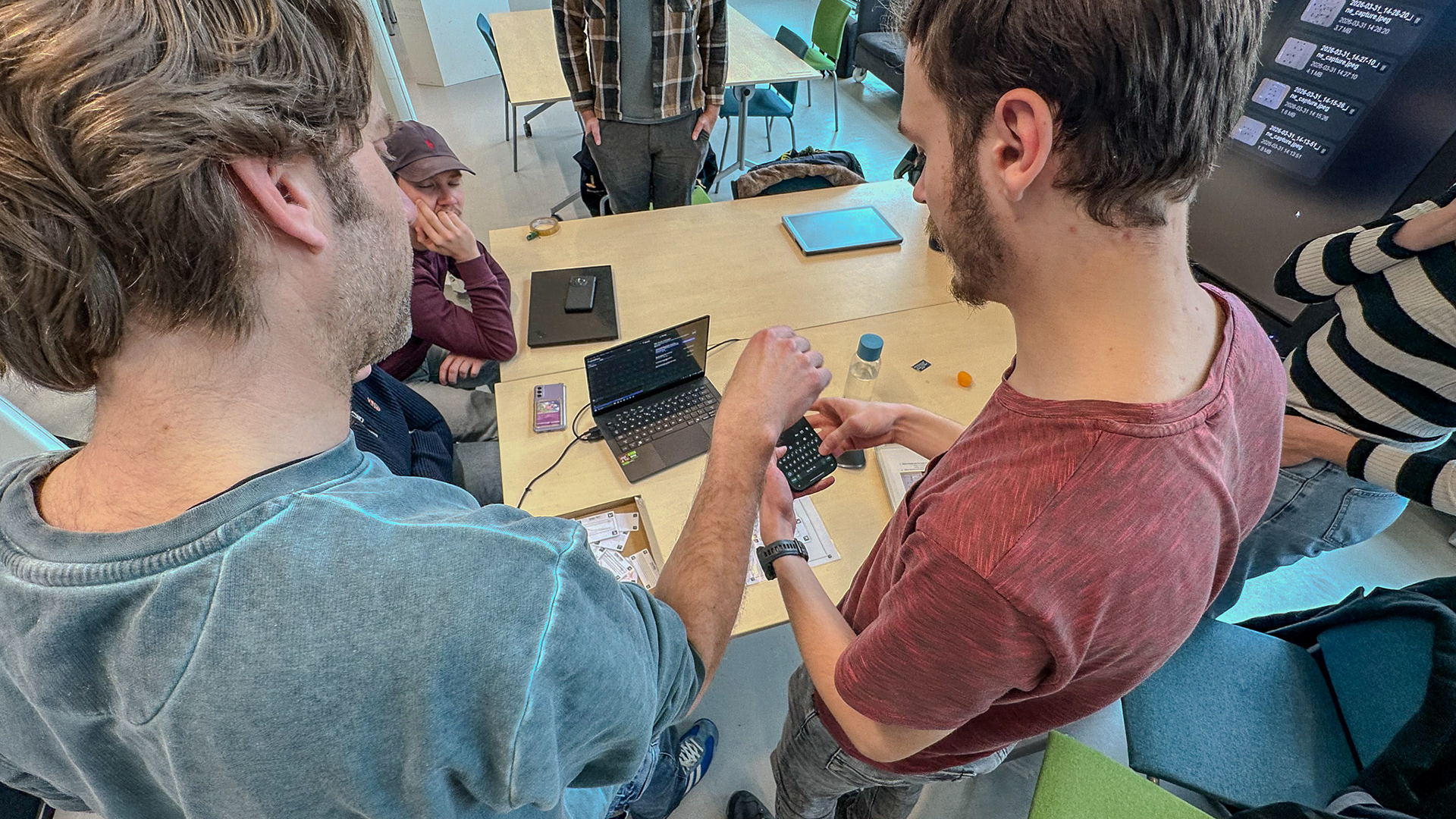
Figure 9. Mr Dertien using our product (9/10).
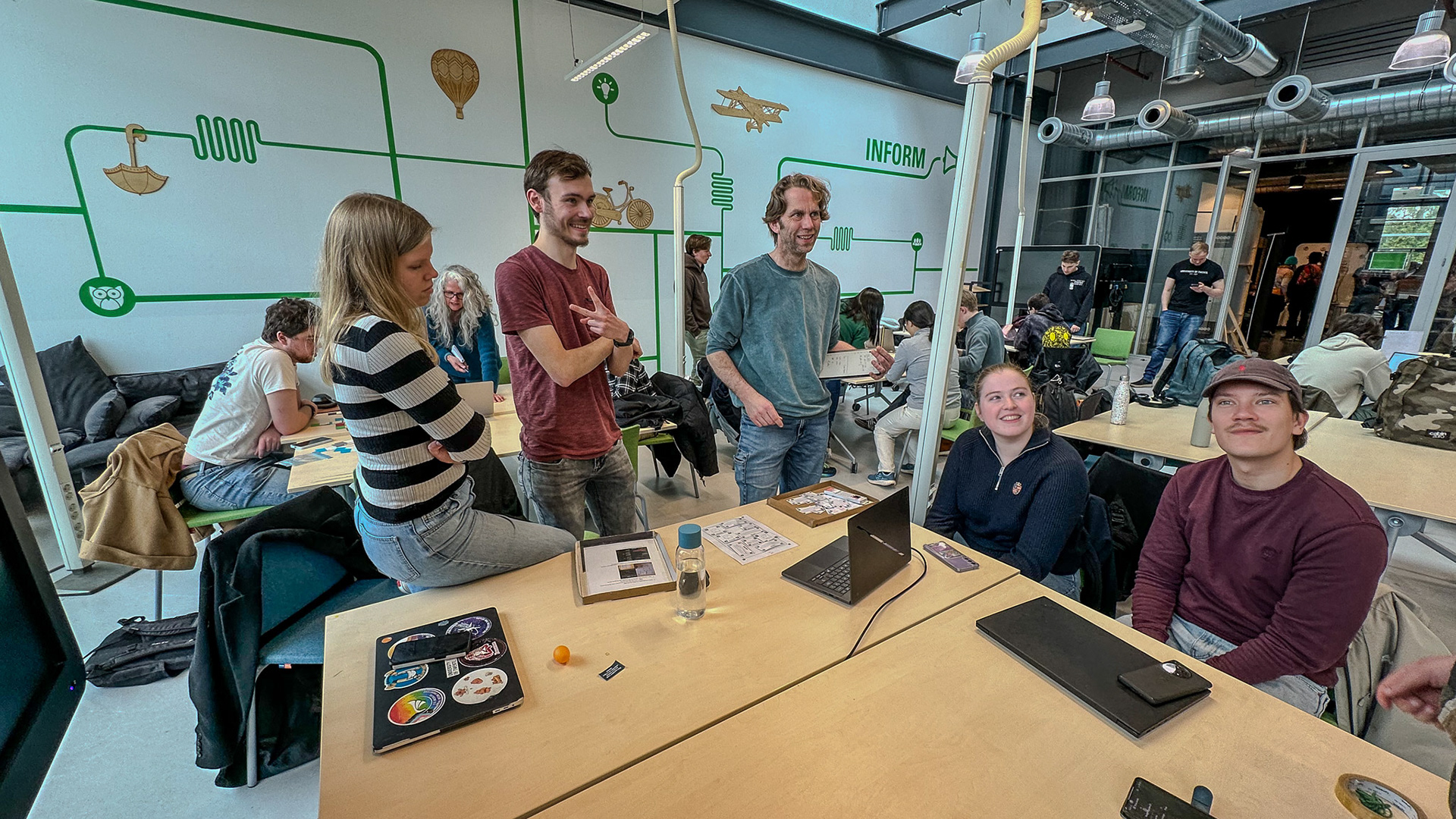
Figure 10. Mr Dertien using our product (10/10).
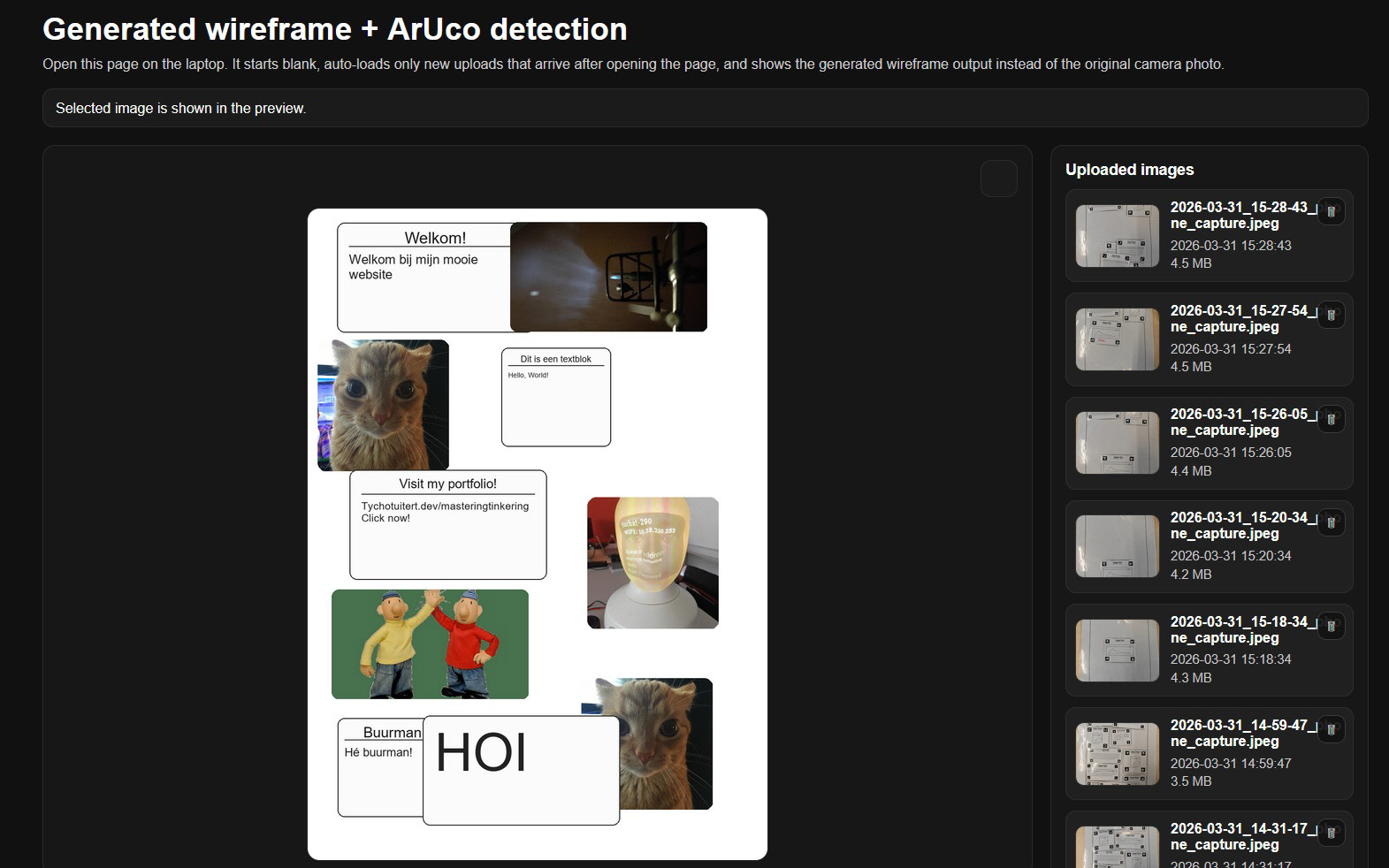
Figure 11. Web design of Mr Dertien.
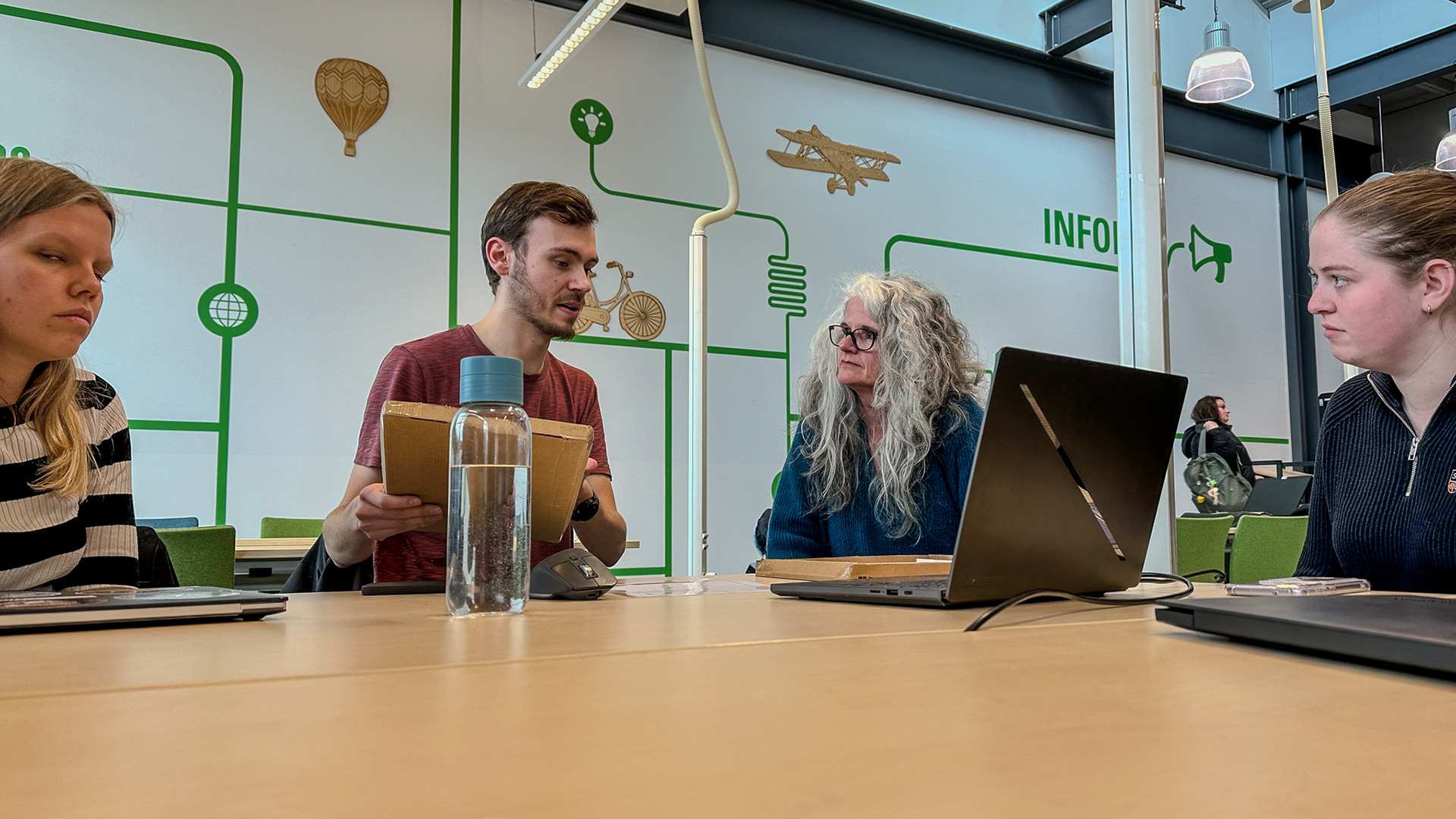
Figure 12. Ms Madar using our product (1/5).
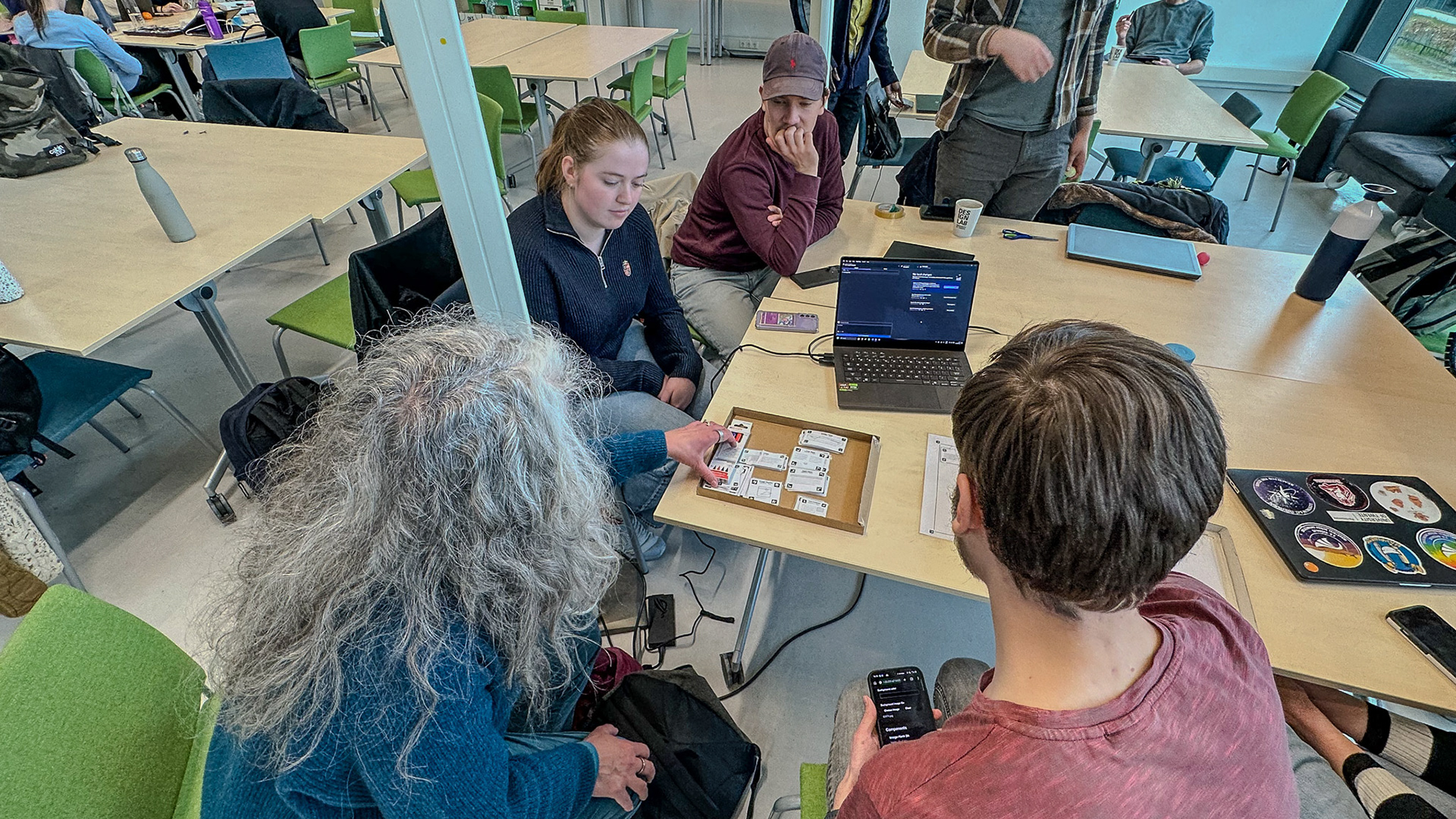
Figure 13. Ms Madar using our product (2/5).
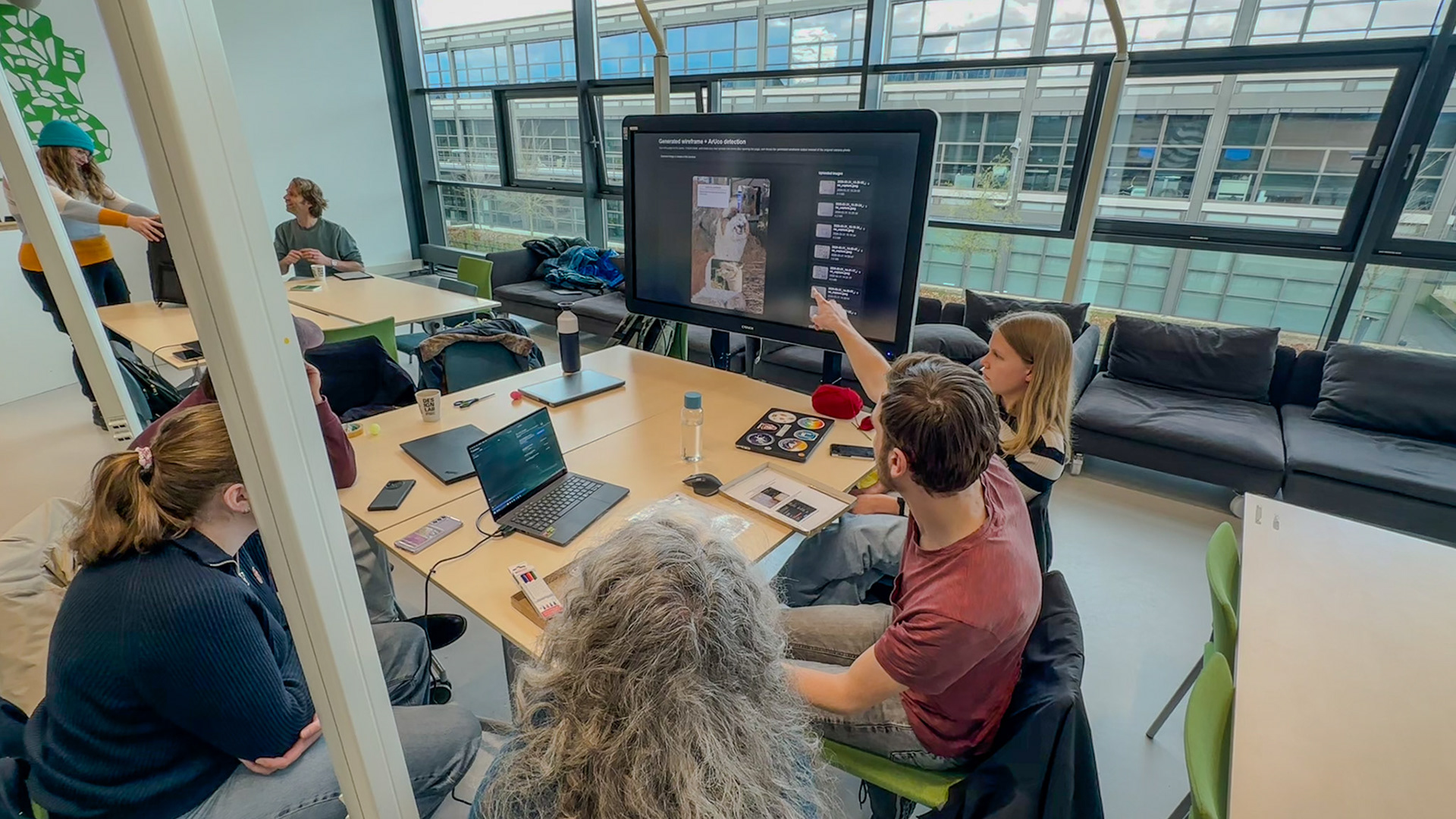
Figure 14. Ms Madar using our product (3/5).
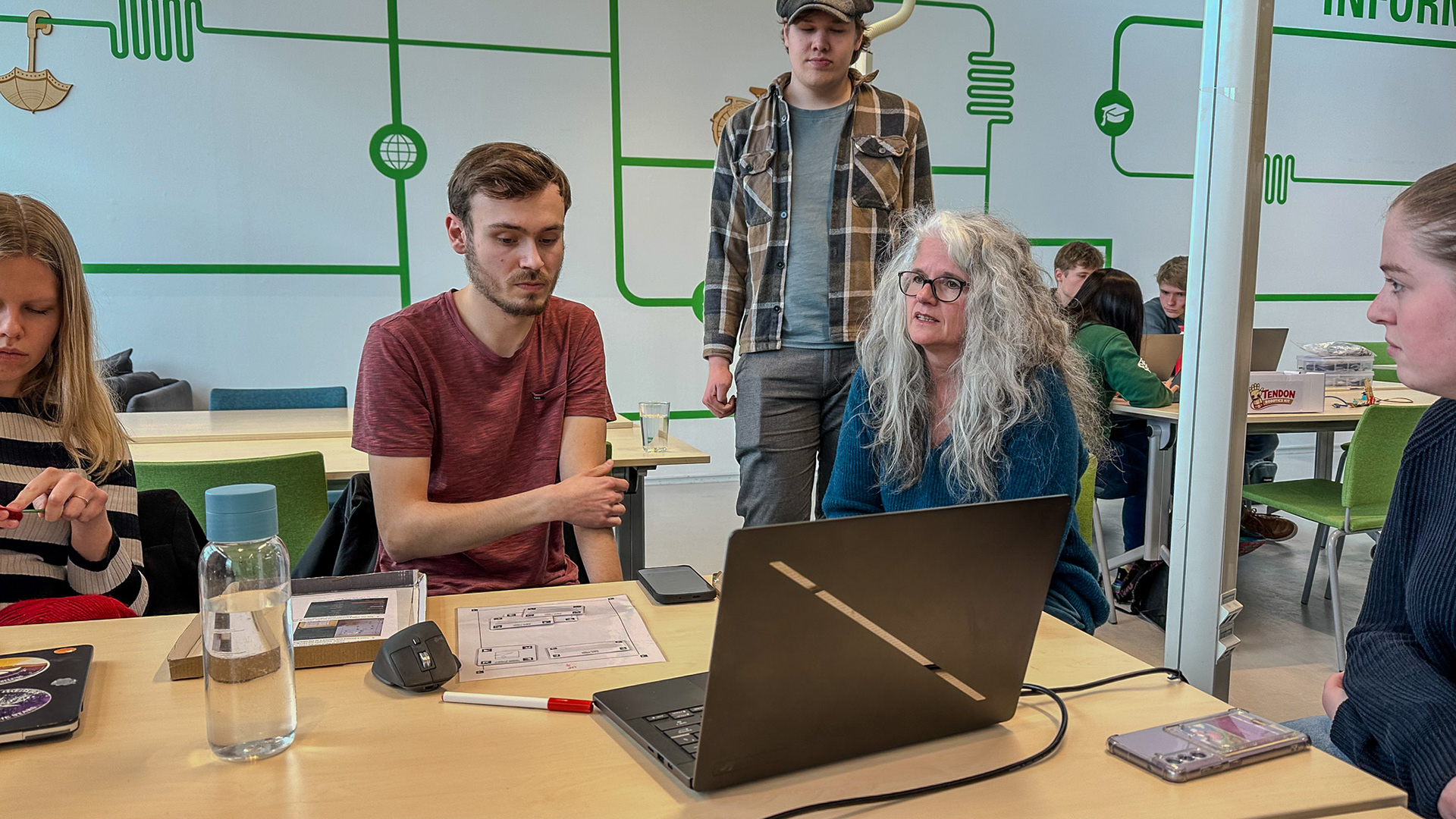
Figure 15. Ms Madar using our product (4/5).
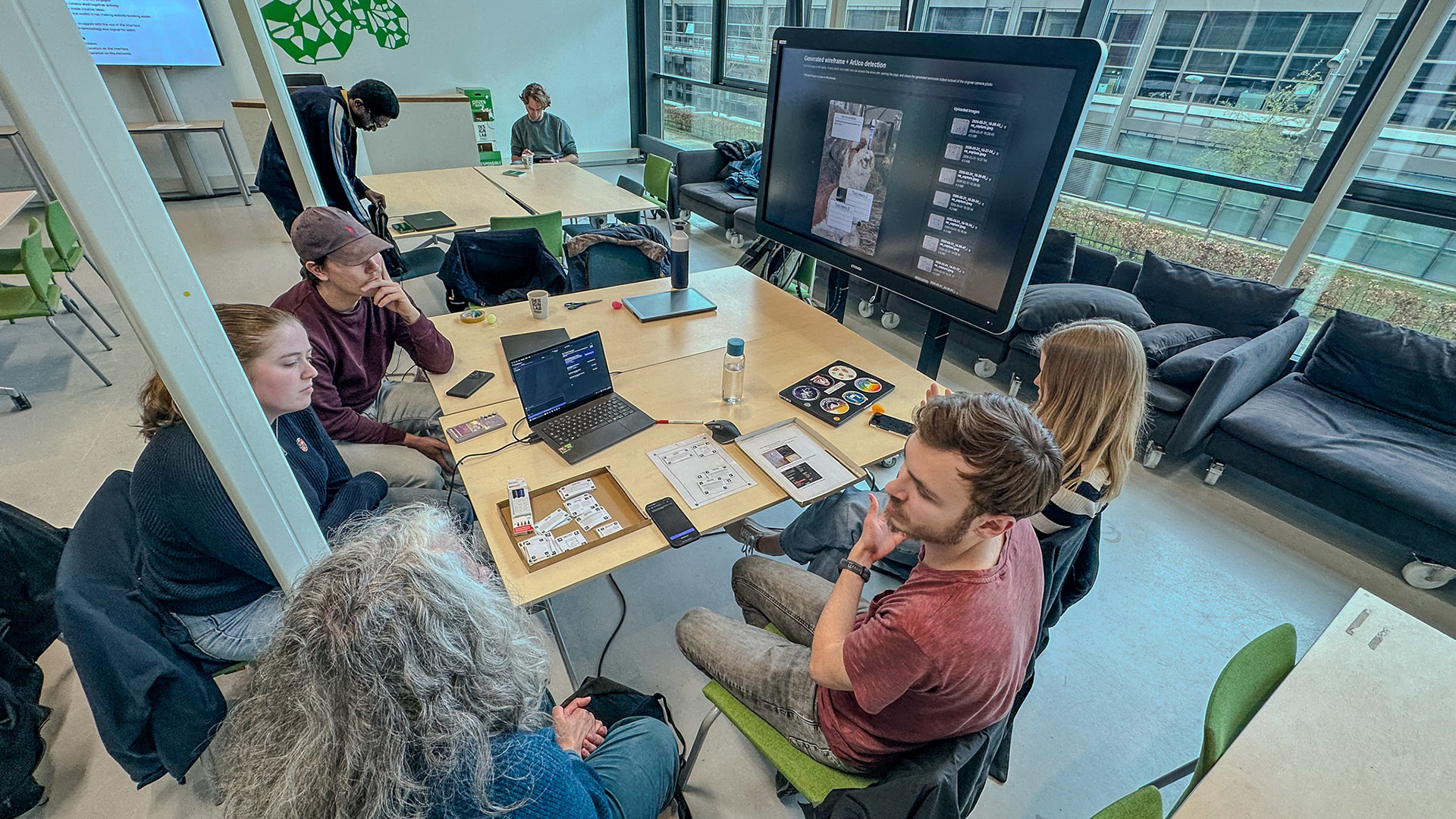
Figure 16. Ms Madar using our product (5/5).