Process
Before I started this assignment, I first needed to understand what the term wide walls actually meant. In the slides of Session 5, it is described as: "wide walls: no one-trick ponies, wide variety in (surprising) outcomes and applications." I had already used this term in assignment 3.1 Properties of Tinkering Materials, but at that time, I did not fully understand it yet. Looking back, I realise that I was using the concept without really grasping it. It was helpful to now have a clearer and more official definition. Once I understood it better, I could search more focused/intentionally for projects that really demonstrate wide walls.
Project 1 - Scratch
A strong example of wide walls is Scratch. I have used Scratch before in my work at Pre-University during the Science Lab 'Maak je eigen game' (Make your own game) for primary school pupils (basisschoolleerlingen) from groep/groups 7 and 8. During this activity, pupils learned how to make a simple ping-pong game (see Figure 1). Some students already had prior experience with Scratch, and they were able to go beyond the basic assignment by trying more difficult tasks or adding features of their own.
That experience already showed me something important about wide walls. Even when students start with the same assignment, they do not all end with the same result. Some follow the instructions closely, while others immediately begin experimenting and personalising their work.
The Scratch Foundation presents Scratch as a creative learning environment for making many different kinds of projects, such as games, animations, interactive stories, and art. This shows that the same programming blocks can support playful, narrative, visual, and expressive work instead of leading to just one fixed output. An example of this can be seen in Figure 1.
To me, this makes Scratch a strong, wide-walls material, because learners can move in very different directions while still using the same underlying system. One student/learner may build a platform game, another may create an animated story, and another may produce interactive art or a music-based project. Scratch therefore supports personal interests and different forms of expression instead of funnelling everyone towards the same result.
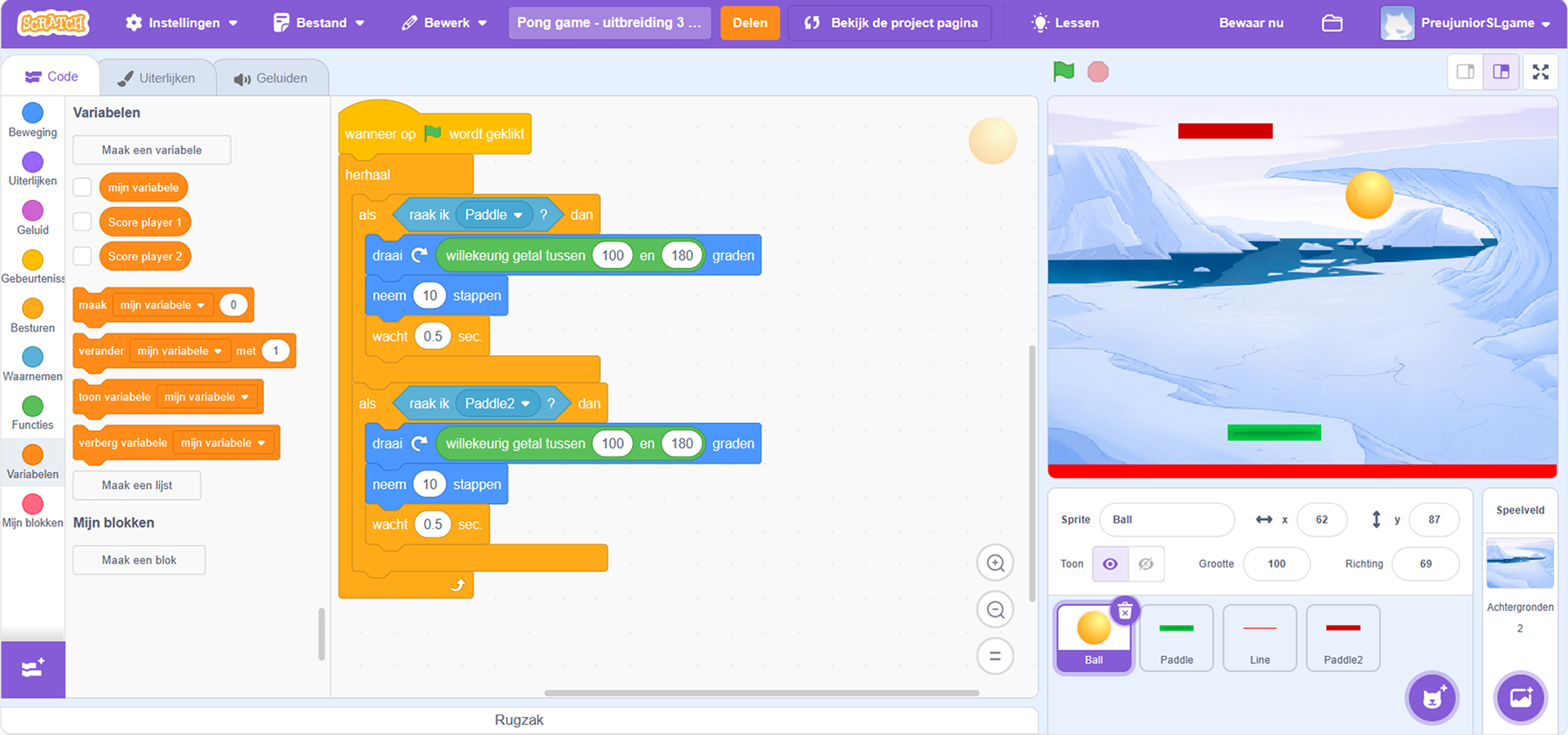
Figure 1. Scratch demonstrates wide walls because one block-based environment supports games, stories, animation, and art.
Project 2 - BBC micro:bit
The BBC micro:bit is another clear example of wide walls, and it is also one that I already discussed in assignment 3.1 Properties of Tinkering Materials. The official micro:bit project library covers many domains, including AI literacy, digital arts, music, design and technology, mathematics, science, physical education, and data literacy. The website also shows very different beginner projects, such as an emotion badge, step counter, Scratch guitar, wireless Scratch controller, thermometer, nightlight, and tilt alarm. A few examples can be seen in Figure 2.
What I find interesting about the micro:bit is that it is such a small device, yet it can be used in so many different ways. Before looking into the project library, I mainly saw it as a tool for simple coding activities. Now I see that it can also become a wearable, a musical instrument, a scientific measuring tool, a controller, a toy, or a sensor-based design.
That range is exactly what wide walls look like. The material remains the same, but the purpose and meaning of the project can change completely depending on the learner’s ideas. This makes the micro:bit a material for exploration rather than repetition.
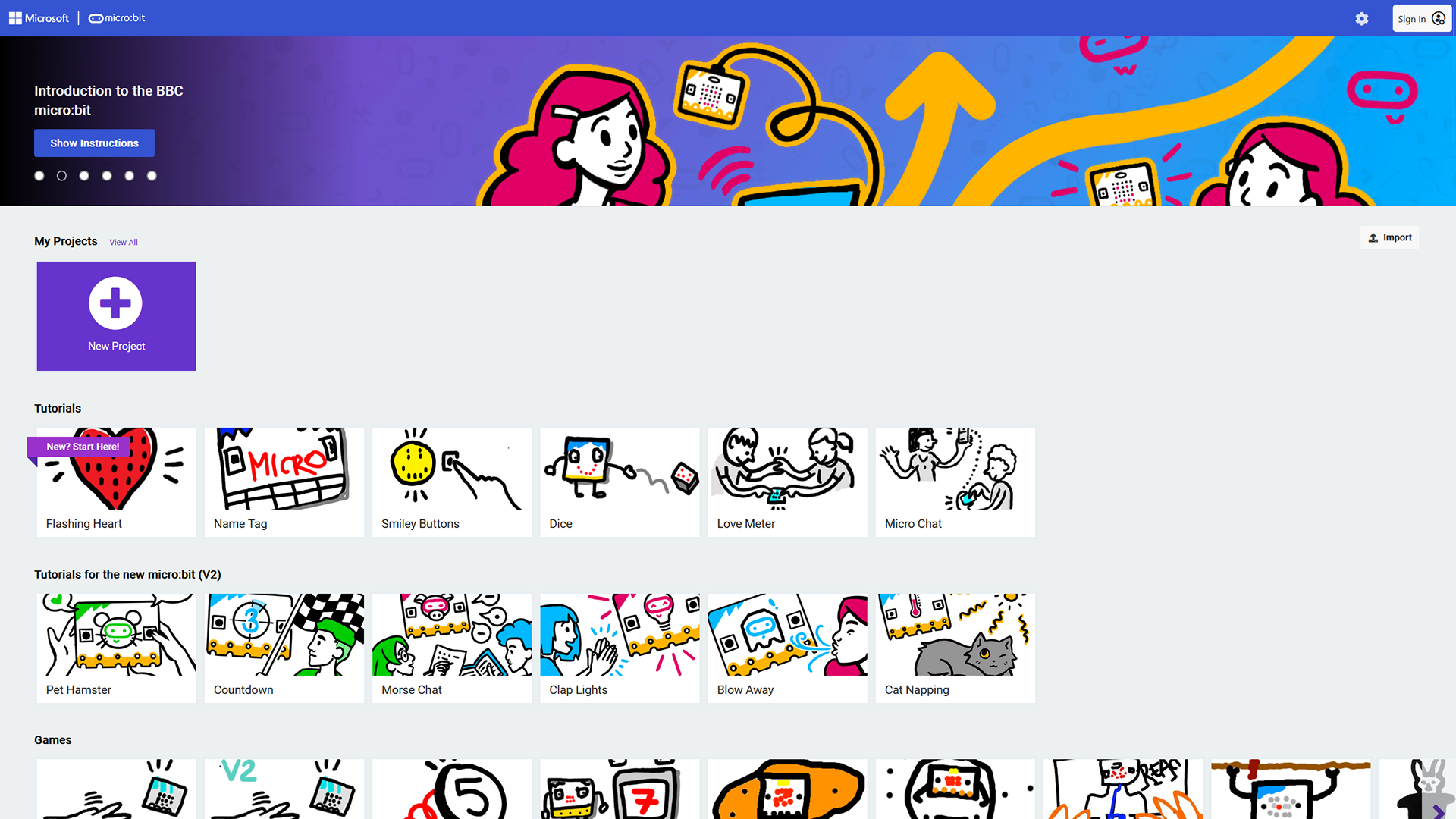
Figure 2. Micro:bit has wide walls because the same device supports wearables, games, music, sensing, and data collection.
Project 3 - Makey Makey
When looking for more examples, I came across Makey Makey, a kit that allows users to transform everyday objects into controllers. I had heard of it before, but I had not really thought about it in terms of wide walls. The official Makey Makey materials make this property very visible. Their 'How To' page showcases the banana piano, but then expands to game controllers, musical instruments, voting machines, paper circuits, and other inventions (see Figure 3 for examples). Another official example is the interactive poster, which combines physical input design with Scratch (which I discussed above) and presentation work.
What stands out to me about Makey Makey is how playful it is. It invites experimentation almost immediately, because it encourages people to look at ordinary objects in a different way. A banana, a piece of foil, or even a drawing can suddenly become part of an interface.
Makey Makey demonstrates wide walls because it turns ordinary conductive materials into interactive inputs. This means that the same kit can support music, games, exhibitions, classroom response systems, storytelling, and playful experimentation. It does not prescribe one artefact, but instead opens many directions for invention with a low threshold for getting started.
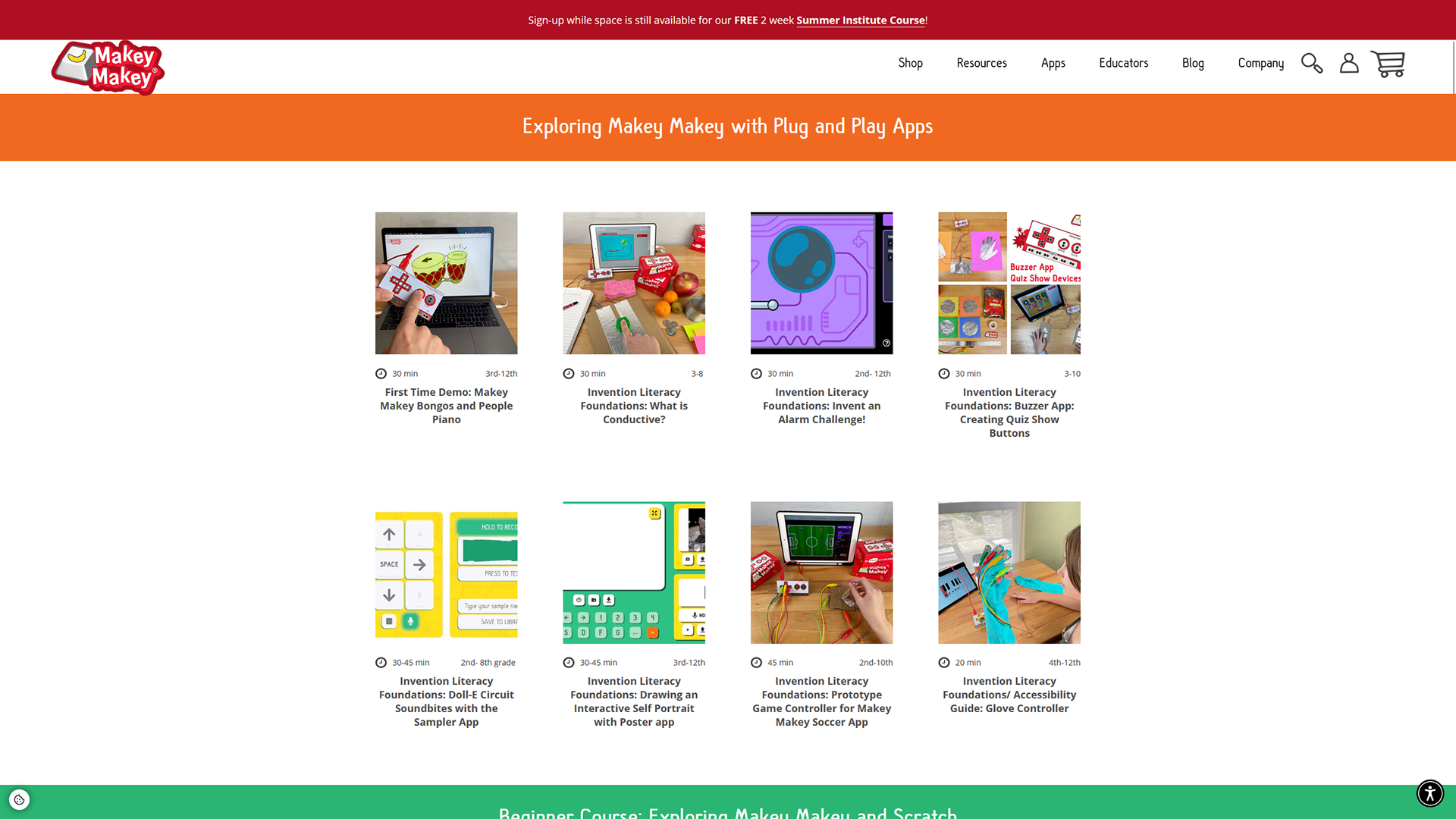
Figure 3. Makey Makey shows wide walls because one kit can become a piano, controller, poster, voting device, or paper-circuit interface.
Project 4 - DesignLab
Until this point, all of my examples came from outside the Netherlands. That made me wonder whether the DesignLab at the University of Twente could also be seen as an example of wide walls. It is not a material in the strict sense, as mentioned in the assignment, but rather an environment. Still, I think it fits the idea quite well as a tinkering environment.
The DesignLab is an ecosystem for creative collaboration between researchers, students, and external partners, with projects that cross disciplinary and professional boundaries. The spaces are meant to stimulate collaboration, bring together multiple perspectives, and support education, research, and innovation.
What made me connect the DesignLab to wide walls is the variety of facilities it offers. It supports brainstorming, conceptualising, and prototyping, and it includes workshops for woodwork, 3D printing, laser cutting, digital media such as photography, videography and audio, and textile products and wearable technology. That means it does not push students towards one type of outcome. Instead, it creates opportunities for many different kinds of projects.
For me, this example also shows that wide walls do not only apply to a single material, but can also describe an environment that supports many directions for making. Even though the DesignLab may not fit the assignment as neatly as the other examples, I still think it is a valuable case because it helped me broaden my understanding of the concept.
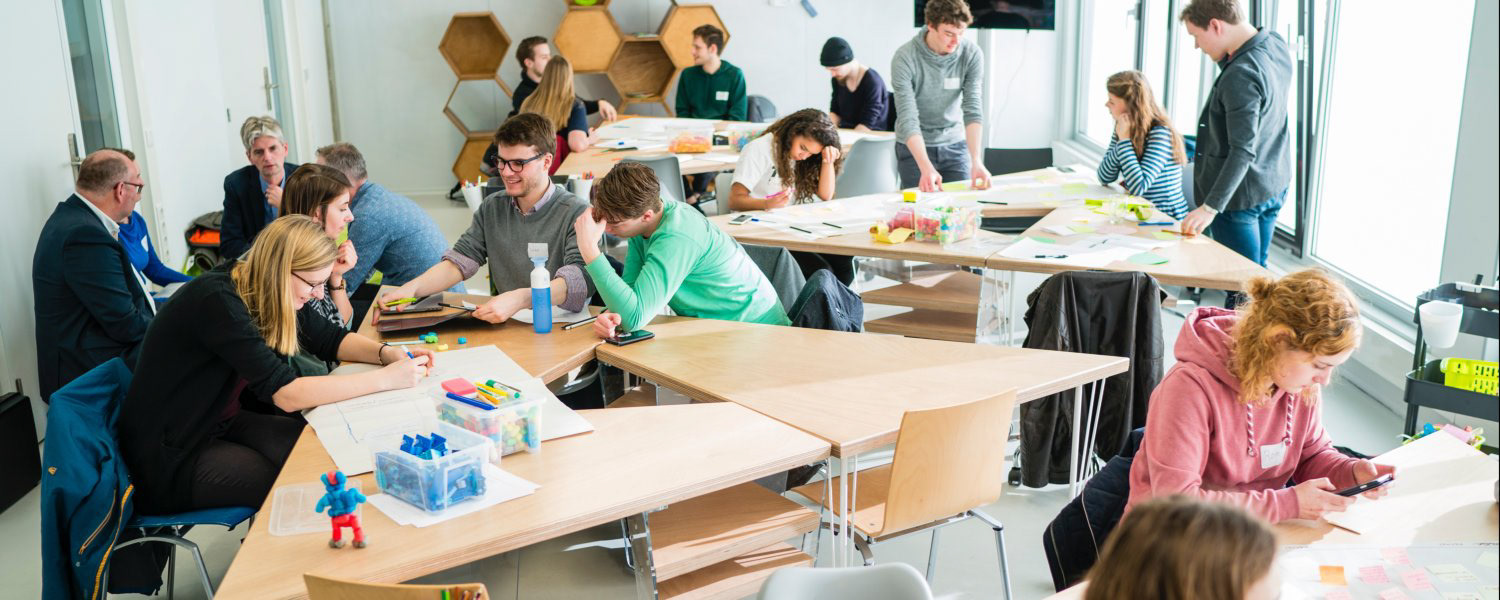
Figure 4. The DesignLab environment has wide walls because it supports working on a broad range of projects and stimulates collaboration between parties. Photo from: https://www.utwente.nl/nl/designlab/designlab-academy/ons-aanbod/
Reflection
Through this assignment, I came to understand wide walls much better than I did before. At first, it felt like an abstract concept, but by looking at real examples, I started to see it more clearly. What all of these examples have in common is that they do not lead everyone to the same outcome. Instead, they leave room for personal interests, creativity, and unexpected directions.
I also noticed that I understand the concept best when I connect it to practice. My own experience with Scratch helped me see how learners can start from the same tool but still create very different things. That is what makes wide walls such an important property of tinkering materials and environments.