Group work and Collaborators
This concept was developed during the fifth Social Robot Design session as part of Group 1. The aim of the session was to explore the ethical, social, and long-term implications of emerging technologies through an educational Live Action Role Play, or EduLARP. The session focused on how technologies can reshape social norms, create new inequalities, affect responsibility, and influence the way people make decisions about care, health, privacy, and everyday life. The course slides framed this session around ethics, sustainability, long-term implications, the Product Impact Tool, Envisioning Cards, and the EduLARP workshop hosted by Verena Schulze Greiving and Afra Willems.
Collaborators:
Maurits Dijkman, Bianca Filip, Ewoud Janus, Emilia Pavel, and Gijs Vis
My contribution:
My contribution was to connect the EduLARP experience to our own social robot design case. During the session, I focused on observing how roleplay made ethical tensions more concrete than a normal discussion. After the session, I translated the insights from The Lifetimer scenario into ethical questions for our pet companion robot, especially around privacy, unequal access, emotional overtrust, responsibility, and the welfare of a vulnerable user who cannot verbally consent.
1. Session context
Session 5 focused on sustainability, ethics, and long-term use in Social Robot Design. The central question was not only whether a technology works, but what happens when it becomes part of everyday life. Technologies can change behaviour, expectations, social norms, responsibility, access to care, and relationships between people.
During the session, we used an EduLARP called The Lifetimer. The Lifetimer is a fictional healthcare app that calculates a person's exact life expectancy based on personal health data. Through roleplay, participants were confronted with ethical and societal questions: What happens when people know exactly how long they are expected to live? Who gets access to such a technology? How does it affect healthcare, insurance, work, family relationships, and inequality? How can technologies be designed responsibly for an inclusive society?
Although The Lifetimer was not a robot, it was highly relevant for Social Robot Design because it showed how a technology can become socially powerful when people start trusting it, organising their lives around it, or using it to make decisions about others.
2. What happened in the EduLARP
The EduLARP was dedicated to The Lifetimer, a fictional healthcare app that calculates a person's exact life expectancy using personal health data. The roleplay explored how such a technology could affect society if people, institutions, companies, and families started using it to make decisions.
At the start of the EduLARP, each participant received a role card. We then walked around the room and gradually got into character. My role was the son of the owner of The Lifetimer app, so I had to behave proudly, confidently, and socially. This first phase was important because it helped us stop thinking only as students or designers. Instead, we had to experience the (ethical) situation from a specific stakeholder position.
Figure 1 shows the first phase of the EduLARP, where participants walked around the room and started embodying the roles described on their cards. My role was the son of the app owner, which meant acting proud, confident, and socially engaged. This helped make the ethical scenario more embodied: instead of only discussing The Lifetimer from a distance, we started experiencing how status, personal interest, and social behaviour could influence opinions about the technology.
After this role introduction, we moved into the first discussion round. In this round, participants had to discuss whether everyone should or should not use The Lifetimer. Different roles had different interests. Some stakeholders saw the app as useful because it could support planning, healthcare decisions, or personal control. Others were more critical because the app could create anxiety, social pressure, inequality, privacy risks, or discrimination.
Figure 2 shows the first group discussion round. Participants discussed why people should or should not use The Lifetimer. This moment made visible that the app was not simply "good" or "bad." Its value depended on who used it, who controlled the data, who had access, and how the prediction could affect people's lives.
Later in the EduLARP, we received a newsflash that gave more information about the state of the world and the effects of The Lifetimer app. This changed the discussion because the app was no longer only a hypothetical product. It had started to affect society. After receiving this new information, we had to vote on whether we wanted to keep the app or not.
Figure 3 shows the moment when the group received a newsflash about the world of The Lifetimer. The newsflash added new information about the consequences of the app, after which participants had to vote on whether the app should remain in use. This moment showed how ethical opinions can shift when new societal consequences become visible.
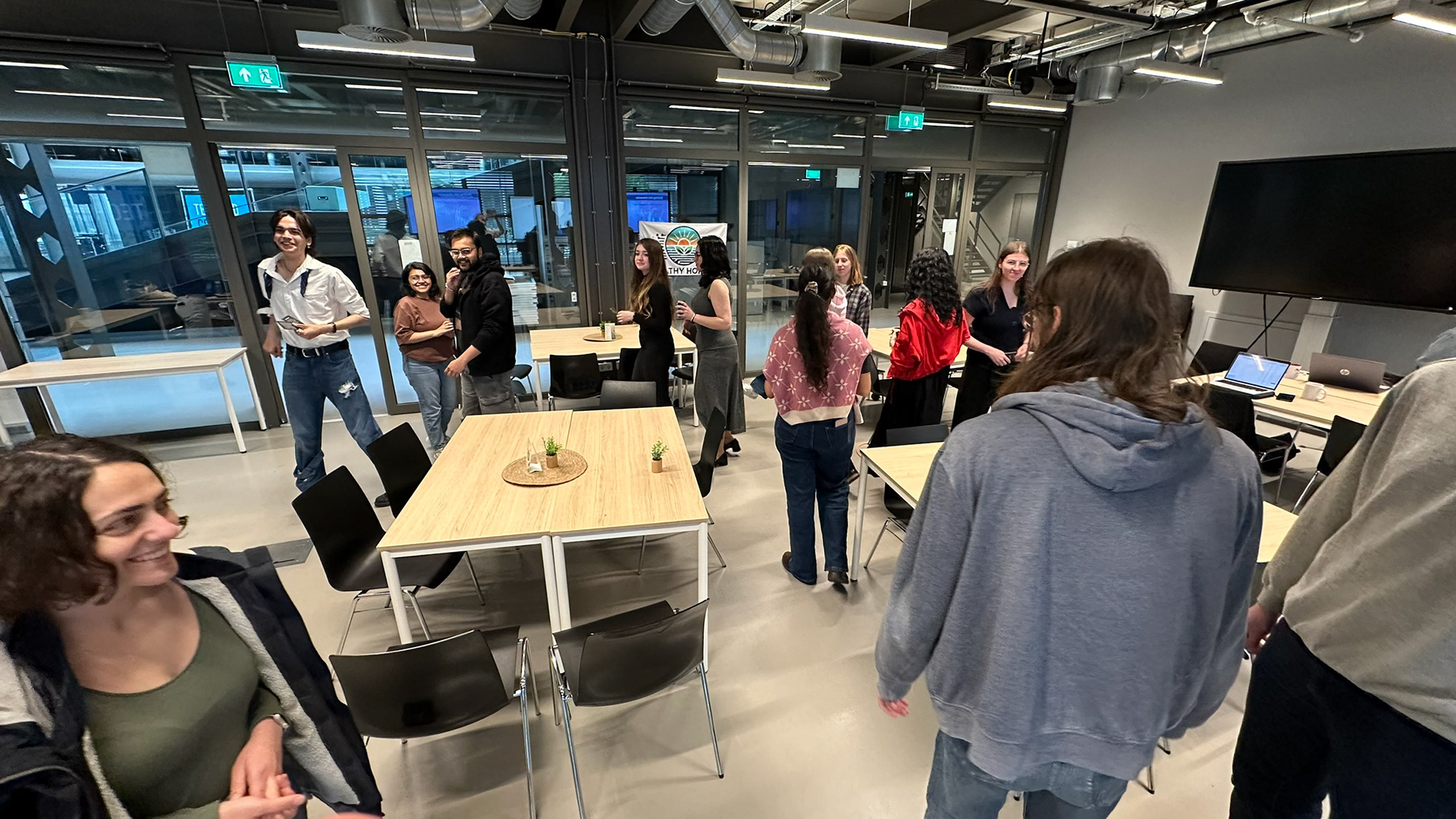
Figure 1. EduLARP role embodiment - Entering the world of The Lifetimer.
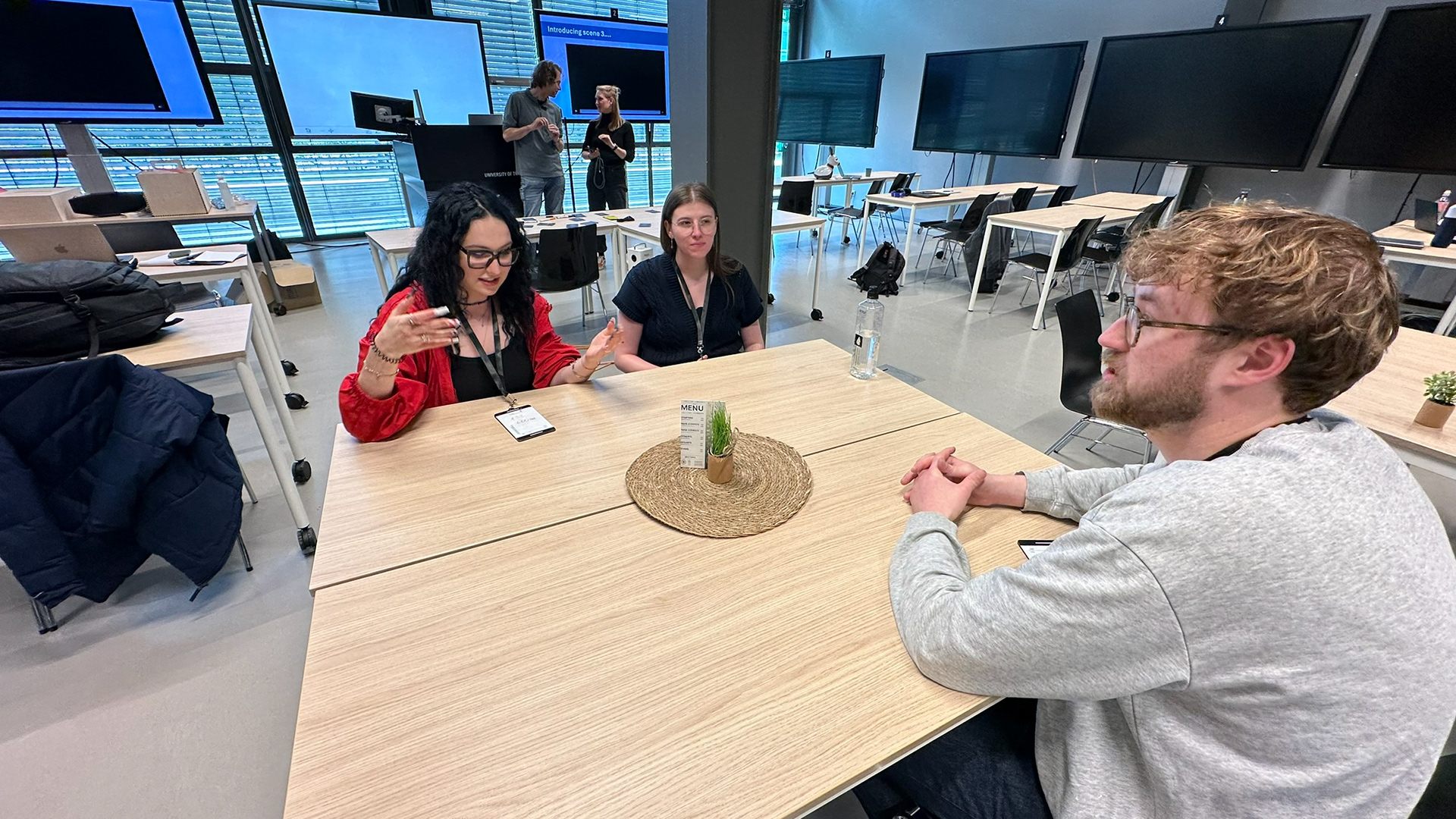
Figure 2. First discussion round - Debating whether society should use The Lifetimer.
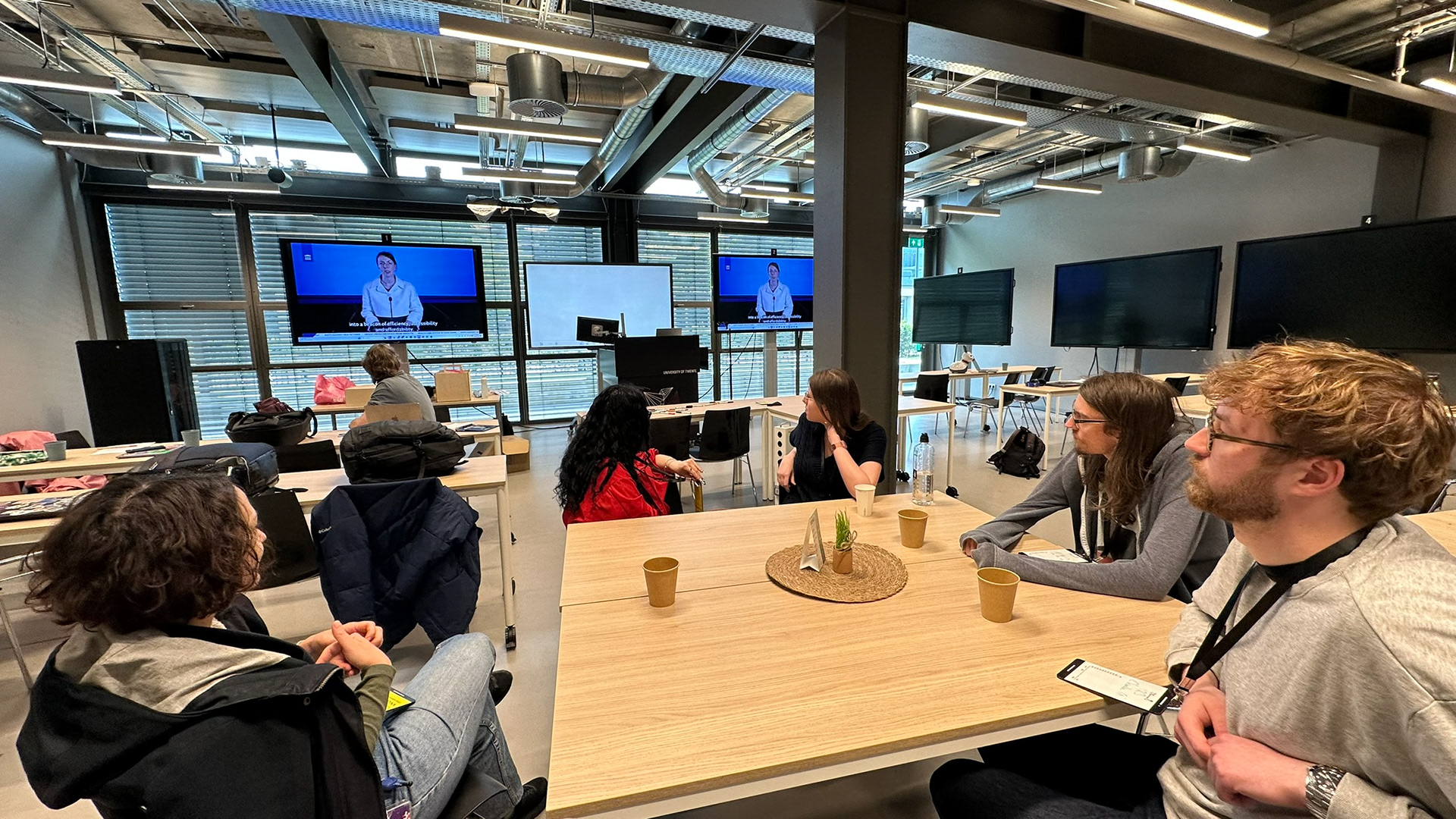
Figure 3. Newsflash and voting moment - New information changes the ethical decision.
3. Structured observation
3.1 Ethical tensions made visible
The first ethical tension was knowledge versus emotional harm. The Lifetimer could give people information about their expected lifespan, which might help them plan their future. At the same time, knowing an exact life expectancy could cause fear, stress, pressure, or loss of hope. During the discussion shown in Figure 2, this became visible because some roles framed the app as empowering, while others saw it as psychologically dangerous.
The second tension was personal choice versus social pressure. Even if The Lifetimer is presented as optional, people may feel forced to use it if family members, employers, doctors, insurance companies, or society expect them to share their results. The roleplay made this concrete because each participant had to act from a stakeholder position. This showed that a technology can become socially coercive even if nobody is officially forced to use it.
The third tension was health insight versus privacy loss. The app depends on personal health data, which is highly sensitive. The more accurate the system claims to be, the more people may trust it, but also the more dangerous the data becomes if it is shared, sold, leaked, or misused.
The fourth tension was innovation versus inequality. If only some people can access The Lifetimer, or if some groups are treated differently because of their predicted lifespan, the app could increase inequality. The newsflash moment in Figure 3 made this especially clear, because new information about the world of the app changed how participants judged whether the technology should continue to exist.
The fifth tension was prediction versus discrimination. A life expectancy prediction could influence how people are treated by insurers, employers, healthcare providers, or even family members. The app could become a sorting tool rather than only a personal planning tool.
The sixth tension was responsibility versus technological authority. If The Lifetimer gives a prediction, people may start treating it as the objective truth. This raises the question of who is responsible if the prediction is wrong, biased, harmful, or misused: the user, the company, the doctor, the institution, or the system itself?
3.2 Stakeholder experiences
From the individual user's perspective, The Lifetimer could feel useful but also frightening. It might support planning, but it could also reduce a person’s future to one number.
From the app owner or company perspective, which was close to my role as the son of the app owner, the technology could be presented as innovative, valuable, and socially important. Embodying this role, shown in Figure 1, made it easier to understand how personal pride, business interest, and social confidence can make someone defend a technology even when others experience it as harmful.
From the doctor's perspective, the app could provide additional information, but it could also interfere with care. A patient might trust the app more than the professional, or the doctor might feel pressured to act according to the prediction.
From the insurance or employer perspective, the prediction could be financially useful. However, this creates a high ethical risk because the app could be used to exclude, punish, or disadvantage people based on their predicted lifespan.
From the family perspective, the app could change relationships. Family members might pressure someone to share their prediction or treat them differently after learning it.
From the person without access to the app, The Lifetimer could create exclusion. If the technology becomes socially important, people without access may become disadvantaged.
3.3 What the roleplay revealed that desk-based analysis would not
A desk-based ethical analysis can list topics such as privacy, bias, inequality, and responsibility. The EduLARP made these topics more concrete because participants had to speak, move, argue, and vote from within the scenario.
Figure 1 shows that the roleplay started by making participants embody different positions. This was important because ethical opinions were not only based on abstract reasoning, but also on status, personal interest, and social pressure.
Figure 2 shows that the first discussion round made disagreement visible. People did not evaluate the app from the same position. The Lifetimer could be useful for one stakeholder and harmful for another.
Figure 3 shows that ethical judgment can change when the long-term effects of a technology become clearer. The newsflash added consequences that were not visible at the beginning. This showed that ethical reflection should not only happen at the start of a design process, but also after imagining how the technology might develop over time.
The most important insight was that ethical problems do not only come from the technology itself. They emerge from how the technology is used by people, companies, institutions, and social systems.
4. Relevance to our Pet Companion Robot case
Although The Lifetimer is a healthcare app and our project is a pet companion robot, the ethical themes are strongly connected. Both technologies interpret personal or behavioural data and may influence how care decisions are made.
For our case, the most relevant issue is the interpretation power. The Lifetimer predicts life expectancy. Our robot might classify or report pet behaviour. In both cases, a system output can become more authoritative than it should be. If Alan reports that a dog is "calm," the owner may believe this, even if the dog is actually frozen, hiding, or shut down. Therefore, Alan should not report emotional certainty. It should report observable behaviour.
The second relevant issue is privacy. The Lifetimer uses personal health data. Alan may use home data, audio cues, movement logs, or behaviour recordings. Even if the intention is caring, the data is still sensitive. A pet robot in the home can accidentally collect information about the owner, visitors, daily routines, and private domestic life.
The third relevant issue is inequality. If a pet companion robot becomes a premium tool for managing animal anxiety, only some owners may be able to access it. This could create unequal access to support. The technology should not replace affordable training, veterinary advice, or human responsibility.
The fourth issue is responsibility. The Lifetimer raises the question of who is responsible for decisions based on predictions. Similarly, Alan raises the question of who is responsible if the robot misreads the pet, increases stress, or gives the owner false reassurance. The responsibility should remain with humans: the owner, designer, company, and possibly animal care professionals.
The fifth issue is vulnerability. In The Lifetimer, vulnerable users may be harmed by predictions about their future. In our case, the direct user is an anxious dog who cannot understand the system, consent to data collection, or verbally explain discomfort. This makes restraint and animal welfare central design values.
5. Adapted EduLARP for our own case
An adapted EduLARP for our project would be called Alan at Home. It would use the same roleplay logic as The Lifetimer, but apply it to a near-future pet companion robot.
Scenario:
The owner has used Alan for three months. Alan monitors the dog while the owner is away, gives soft audio cues, sometimes activates a toy or treat, and sends updates to the owner. The owner begins to trust Alan's reports. One day, Alan reports that the dog was calm because the dog was silent and still. In reality, the dog had frozen and avoided the robot.
Roles:
The adapted EduLARP would include the owner, the anxious dog, Alan or the robot operator, the designer/company, a veterinarian or animal welfare expert, a privacy/data observer, and possibly a neighbour or housemate affected by sound and movement in the home.
Role cards:
The owner wants reassurance and practical support. The dog wants safety, distance, and predictable interaction. The company wants to show that Alan improves pet wellbeing. The veterinarian wants animal welfare and clear stop conditions. The privacy observer wants minimal data collection. The designer wants to improve interaction while avoiding overclaiming.
Trigger moments:
The roleplay would include moments where Alan makes an audio cue, moves closer, offers a treat, records behaviour, sends an update to the owner, misinterprets stillness as calmness, and has to decide whether to continue or stop.
Expected insights:
This adapted EduLARP would help reveal where Alan creates pressure, overtrust, or false reassurance. It would also help define ethical design rules: stop when the dog moves away, do not repeat prompts endlessly, use low-arousal cues, report only observable behaviour, avoid unnecessary recording, keep interaction optional, and prioritise welfare over engagement.
6. Design implications for Alan
The EduLARP leads to several concrete design implications.
Alan should use observable reporting instead of emotional labels. The owner interface should say what happened, not what the dog supposedly felt. For example, it should say: "The dog moved away when Alan started moving," rather than "The dog was anxious."
Alan should include stop and retreat rules. If the dog moves away, freezes, hides, or avoids interaction, Alan should stop approaching and create space.
Alan should use low-data sensing where possible. For example, simple proximity sensing or local sound classification may be preferable to continuous video or audio recording.
Alan should make interaction optional. The dog should always be able to ignore Alan without the robot treating this as a failure.
Alan should use calm audio cues. The audio cue module should not be used to make commands more persuasive, but to find the least intrusive cue that the dog can understand.
Alan should support owner responsibility instead of replacing it. The system should remind the owner that Alan is a support tool, not a diagnosis system, therapist, trainer, or substitute caregiver.
Alan should be designed for maintenance and sustainability. Pet-facing parts should be replaceable, cleanable, and safe if scratched or chewed.
7. Evaluation of the EduLARP format
The strongest quality of EduLARP is that it makes ethical tensions experiential. In The Lifetimer, the ethical issue was not only the app itself, but the way different stakeholders could use, pressure, or misuse the information. This is a valuable lesson for Social Robot Design because robots also operate in networks of users, institutions, expectations, and power relations.
For our pet companion case, EduLARP is useful because it could help designers act through conflicts between owner reassurance, animal welfare, data collection, company interests, and responsibility. These conflicts are difficult to understand if the design is only discussed from the designer’s perspective.
The main limitation is that roleplay can exaggerate or simplify reality. If the scenario is too dramatic, the discussion may become science fiction. If it is too simple, important issues remain hidden. For our project, an adapted EduLARP should stay close to a realistic domestic situation: owner away, anxious dog, robot prompting interaction, ambiguous behaviour, and owner overtrusting the robot’s report.
Another limitation is that humans cannot fully roleplay the experience of a dog. The roleplay can help reveal stakeholder tensions, but it cannot prove animal comfort or welfare. Later testing would still need animal behaviour expertise and careful welfare criteria.
8. HRI and Literature Grounding
This session connects to robot ethics, Value Sensitive Design, care robotics ethics, and animal-centred design.
The EPSRC-inspired principles published by Boden et al. (2017) are relevant because they emphasise that humans, not robots, are responsible agents. They also state that robots should not be designed to exploit vulnerable users by evoking emotional responses or dependency. This is important for Alan because the robot should not be presented as an autonomous caregiver or emotional expert.
Value Sensitive Design is relevant because ethical issues should be considered during the design process, not only after the technology is finished. Friedman, Kahn, and Borning (2008) describe Value Sensitive Design as a principled approach for accounting for human values in technology design. This matches the EduLARP format because the roleplay brings values such as privacy, responsibility, welfare, trust, and fairness into the design discussion early.
Care robotics ethics is also relevant, even though our case is about pets rather than elderly care. Sharkey and Sharkey (2012) discuss concerns such as deception, reduced human contact, privacy, and loss of control in care robotics. These concerns translate to our case as owner overtrust, reduced owner responsibility, home surveillance, and misleading emotional claims.
Van Wynsberghe's care-centred Value Sensitive Design is relevant because it argues that care robots require ethical reflection around the values and dignity of care recipients. For our project, the equivalent principle is that Alan must support the welfare of the animal, not only the convenience or reassurance of the owner.
Mancini's animal-centred ethics for Animal-Computer Interaction is especially important because it places animal welfare and the animal's perspective at the centre of design. This supports the main outcome of this reflection: Alan should be designed around the dog's ability to avoid, retreat, ignore, or calmly engage, rather than around human ideas of what looks caring or interactive.
9. Reflection
The EduLARP session changed the way I think about ethics in this project. The Lifetimer scenario showed that ethical risks are not only technical problems. They appear when people start trusting, sharing, acting on, or being judged by a system’s output. A prediction or classification can quickly become socially powerful, even when it is presented as only a helpful tool.
For our pet companion case, the same lesson applies. Alan could be designed to support an anxious dog, but it could also create pressure, collect sensitive home data, misread behaviour, or make the owner overtrust the system. The most relevant ethical issue for our case is therefore not only privacy, but also interpretation power: what happens when the robot’s reading of the dog becomes more trusted than the dog’s actual behaviour?
The session also made clear that an adapted EduLARP would be useful for our own case. Acting out roles such as owner, dog, robot operator, company, veterinarian, and privacy observer could reveal tensions that a normal design discussion might miss. For example, the owner may want reassurance, while the dog may need distance, and the company may want visible engagement. These conflicting perspectives are important because Alan operates in a vulnerable care-like context.
The final ethical direction is that Alan should be a limited, transparent, pet-safe support tool. It should not replace human care, diagnose emotions, or force interaction. It should provide calm presence, optional interaction, low-data observation, and respectful retreat. This connects to the literature on robot ethics and animal-centred design: humans remain responsible for the robot’s behaviour, and the animal’s welfare should be more important than making the robot appear useful or emotionally intelligent.
The success of Alan should therefore not be measured by how much the dog interacts with it, but by whether the dog remains safe, has agency, and is not made more anxious. In the next design step, I would combine an adapted EduLARP with more concrete animal-welfare observation criteria, so ethical reflection is not only discussed but also built into the way the robot is tested.
10. References
Boden, M., Bryson, J., Caldwell, D., Dautenhahn, K., Edwards, L., Kember, S., Newman, P., Parry, V., Pegman, G., Rodden, T., Sorrell, T., Wallis, M., Whitby, B., & Winfield, A. (2017). Principles of robotics: Regulating robots in the real world. Connection Science, 29(2), 124-129. https://doi.org/10.1080/09540091.2016.1271400
Friedman, B., Kahn, P. H., Jr., & Borning, A. (2008). Value sensitive design and information systems. In P. Zhang & D. Galletta (Eds.), Human-Computer Interaction and Management Information Systems: Foundations (pp. 69-101). M.E. Sharpe. https://doi.org/10.1002/9780470281819.ch4
Mancini, C. (2017). Towards an animal-centred ethics for Animal-Computer Interaction. International Journal of Human-Computer Studies, 98, 221-233. https://doi.org/10.1016/j.ijhcs.2016.04.008
Sharkey, A., & Sharkey, N. (2012). Granny and the robots: Ethical issues in robot care for the elderly. Ethics and Information Technology, 14(1), 27-40. https://doi.org/10.1007/s10676-010-9234-6
van Wynsberghe, A. (2013). Designing robots for care: Care-centered value-sensitive design. Science and Engineering Ethics, 19(2), 407-433. https://doi.org/10.1007/s11948-011-9343-6