Ideating
For this photo safari, I looked for "tinkering spaces" in my daily life: places where I tinker (do) and places where I mostly ideate (think). I noticed I often start prototyping in my head before I ever put something on paper or build it. Different spaces support different parts of that process.
Figure 1 - Shower
In a few words: quiet routine --> ideas appear
Tinkering aspects
- Low distraction, my mind can wander.
- The routine acts like a "reset", which makes new connections easier.
My story
This is one of my most reliable ideation spaces. I’m not doing anything with tools here, but it’s where "thinkering" happens: I structure what I want to do and mentally test options before I commit to / begin with the project.
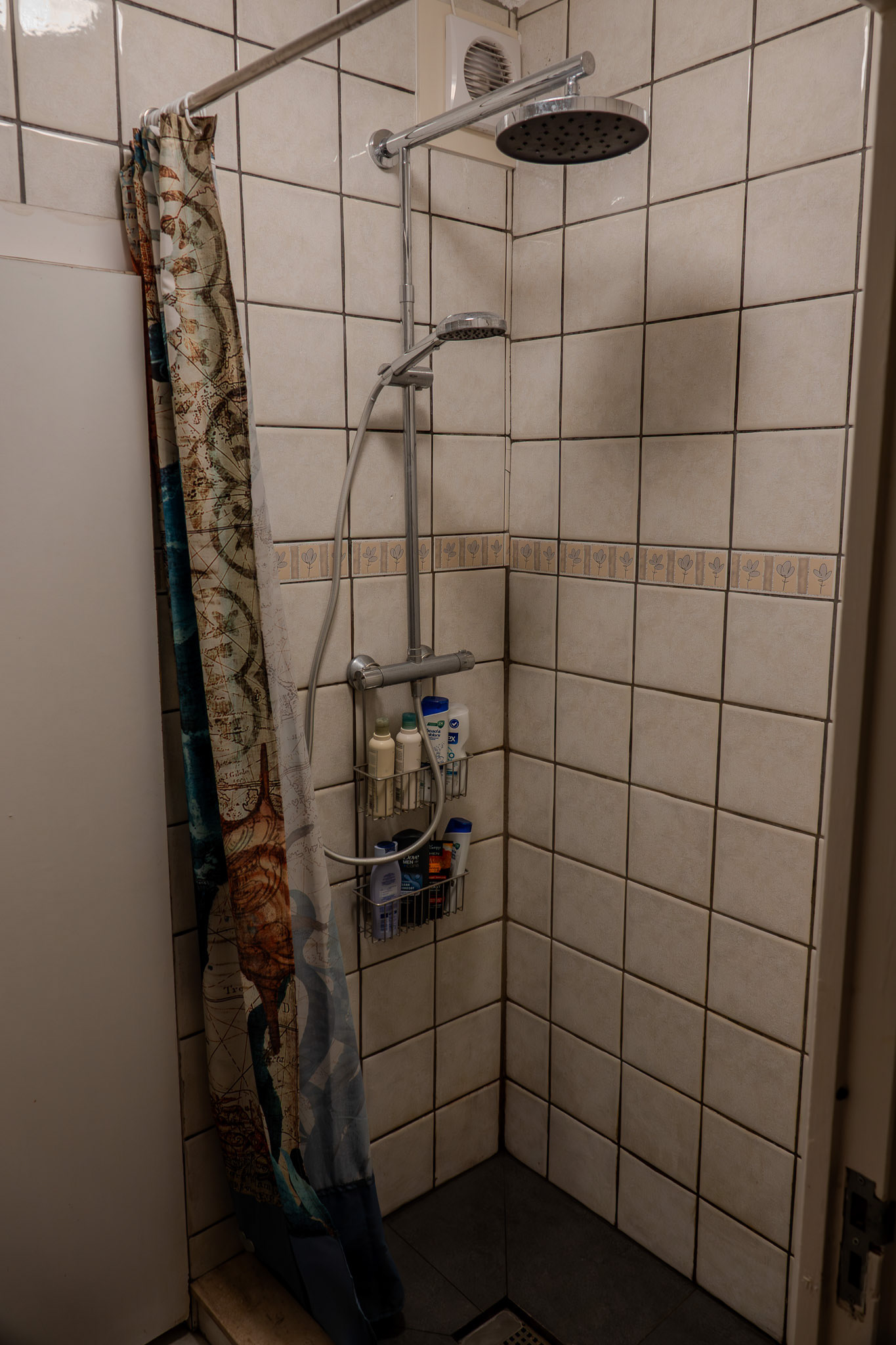
Figure 1. Our shower in Enschede.
Figure 2 - Living room + Guitar
In a few words: comfort + physical --> ideas appear
Tinkering aspects
- The space is relaxed and lowers the barrier to start (deep) thinking.
- Stimulating my mind-hand coordination improves my thinking.
My story
A lot of my thinking happens here while playing guitar. It helps me clear my mind, and I often end up shaping project ideas without noticing.
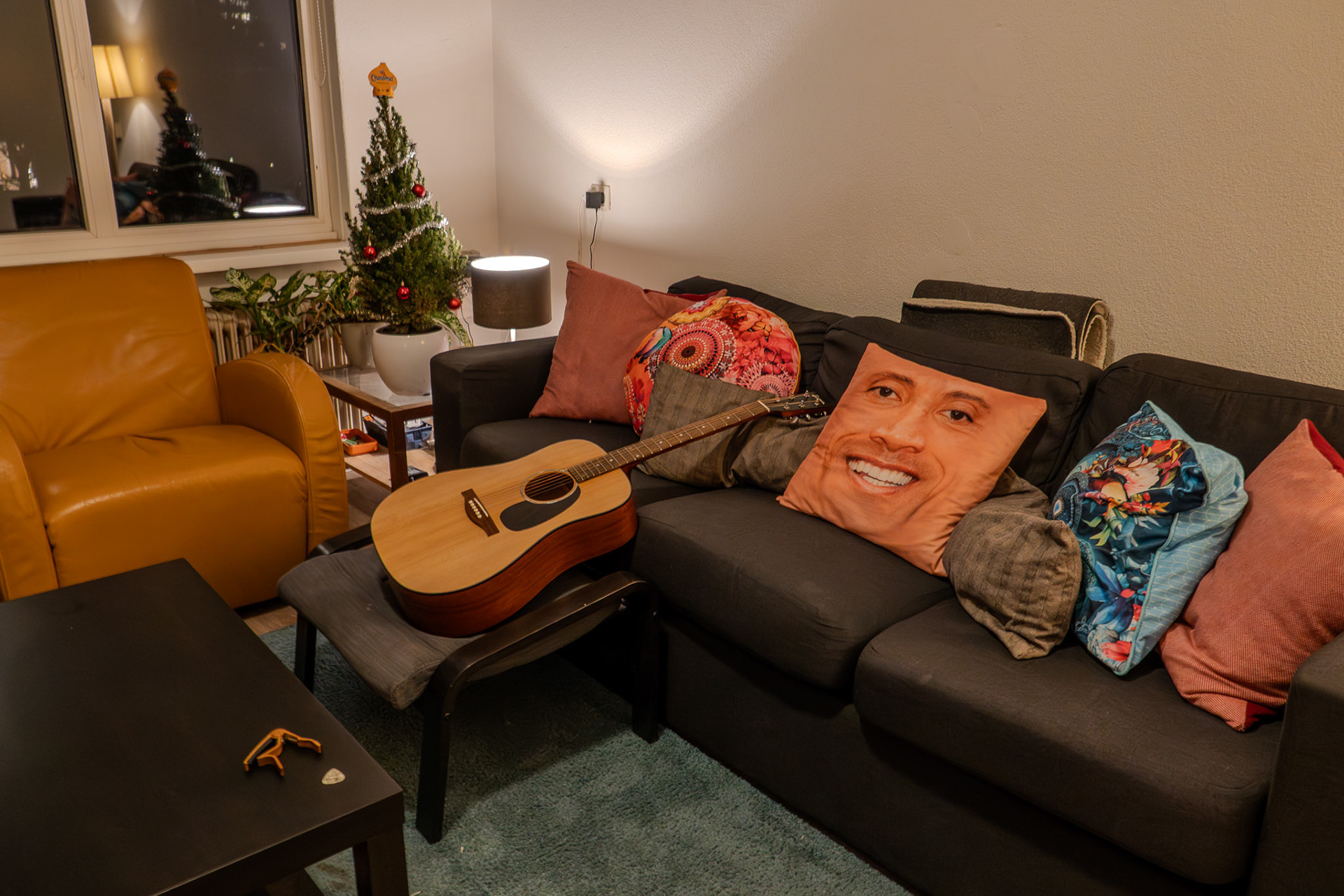
Figure 2. Our living room in Enschede where I play the guitar.
Figure 3 - Walking (+ Photographing)
In a few words: walking = reframing, nature = inspiration
Tinkering aspects
- Movement helps me "shake loose" ideas.
- Nature gives constant small prompts (light, patterns, composition), especially when I bring my camera.
My story
Going for a walk is the most important ideation trigger for me. Nature motivates me and pushes me into a creative mood. I usually walk alone or with my dog, but walking with my roommate Tycho also works well because we can throw ideas around and I can get quick feedback.
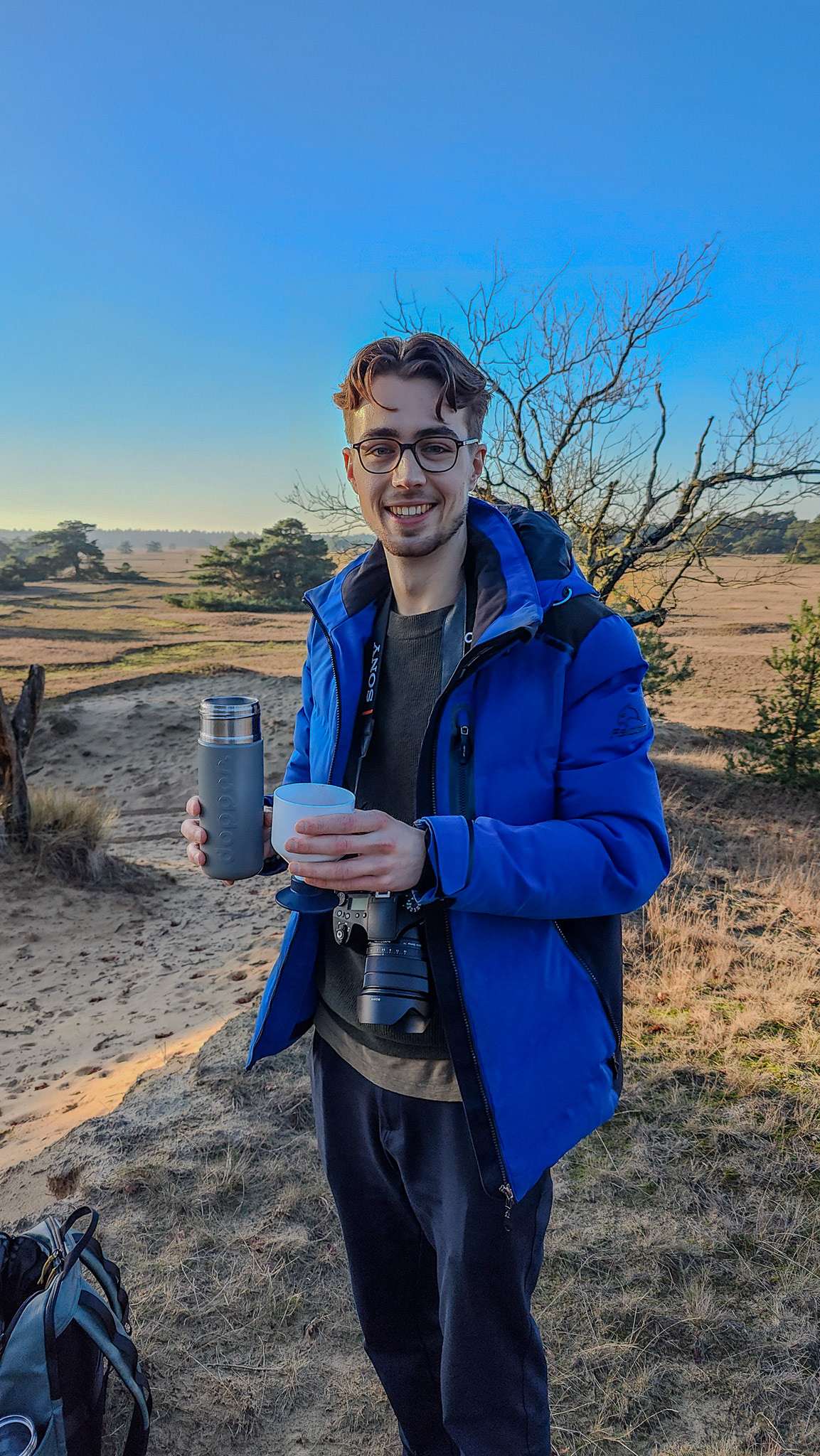
Figure 3. Walking at the Hoge Veluwe in Hoenderloo with my camera (and hot chocolate milk).
Tinkering
Figure 4 - LEGO drawer
In a few words: modular parts --> endless variations
Tinkering aspects
- LEGO is inherently modular, so it invites "build-break-rebuild".
- Having it stored close by makes it easy to start.
My story
One of my earliest tinkering memories is LEGO, then LEGO Technic, and later EV3. LEGO basically shaped my childhood: building/creating buildings, scenes, forests, etc. Alone, with my friends or my little sisters. I still buy sets sometimes (when I have time and money with the current prices, haha).
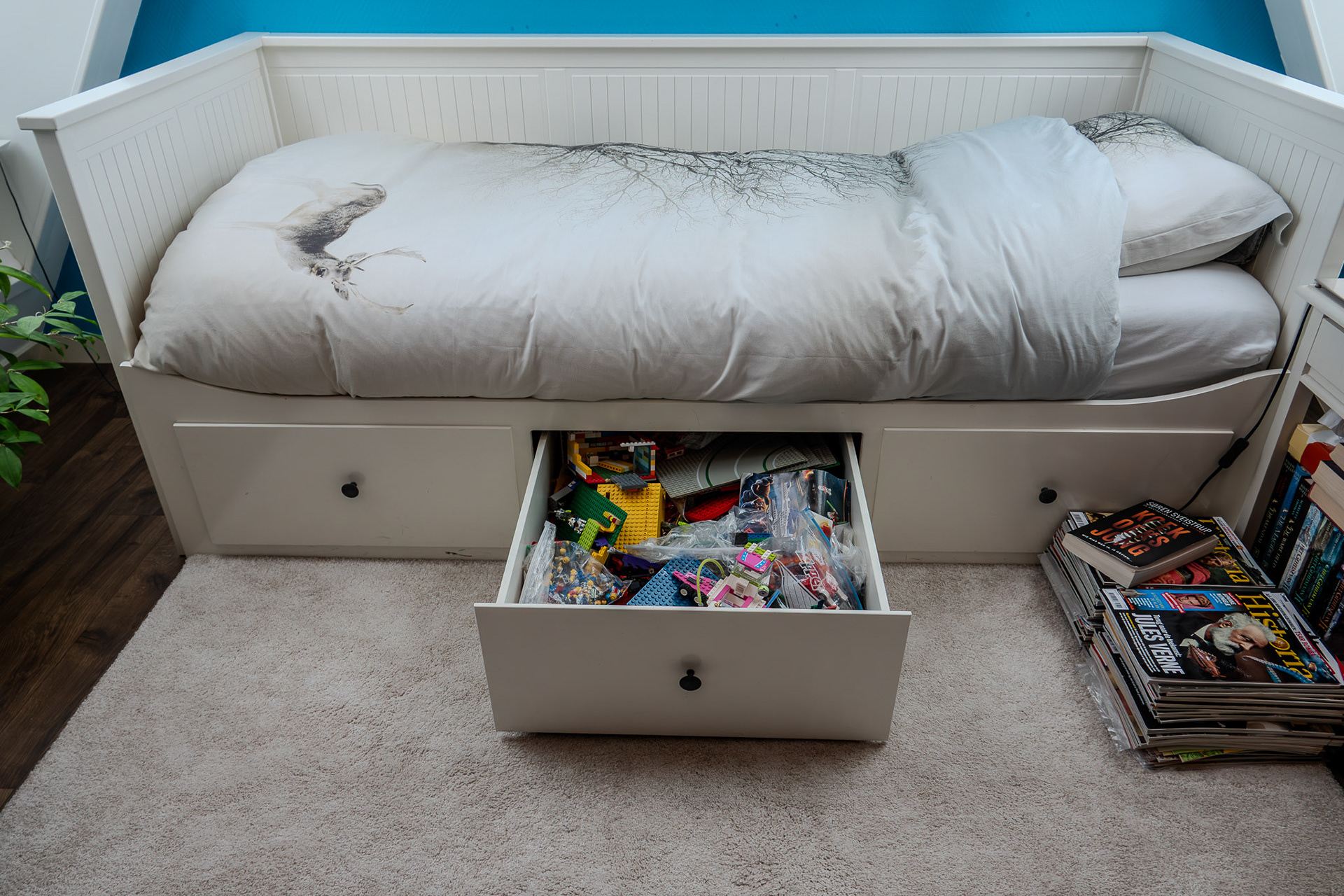
Figure 4. My bedroom in Apeldoorn with my LEGO drawer.
Figure 5 - LEGO Technic
In a few words: mechanics + constraints = playful engineering
Tinkering aspects
- Mechanical parts (pumps/springs/motors) allow functional experimentation.
- Constraints push creativity: you solve problems with what you have.
My story
I had some old Technic hydraulic LEGO from my grandparents. I built lots of different installations with pumps and springs. Later, I switched to LEGO Technic and used battery-powered machines. Same idea, but faster and more complex.
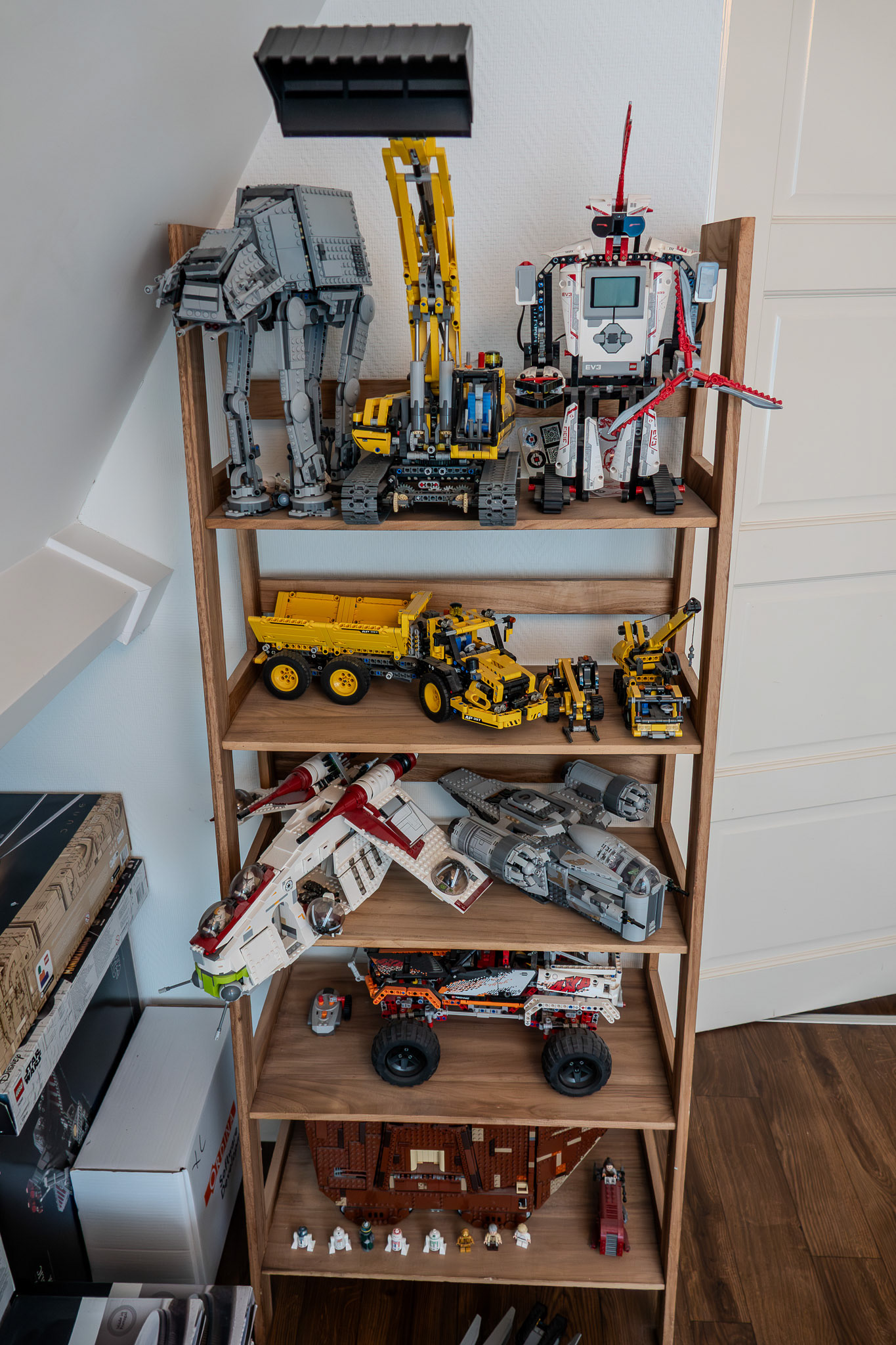
Figure 5. The cabinet in my bedroom with some of my LEGO Technic sets.
Figure 6 - LEGO EV3
In a few words: build + code + iterate
Tinkering aspects
- Combines physical building with programming.
- Easy to make variants: change one thing, test again.
My story
LEGO EV3 was my first real bridge between tinkering and coding. I made lots of variations and learned through trial and error what works, what fails, and what’s fun to try next. Combining the different sensors (audio, light, touch, etc.) allowed me to explore them all in full detail.
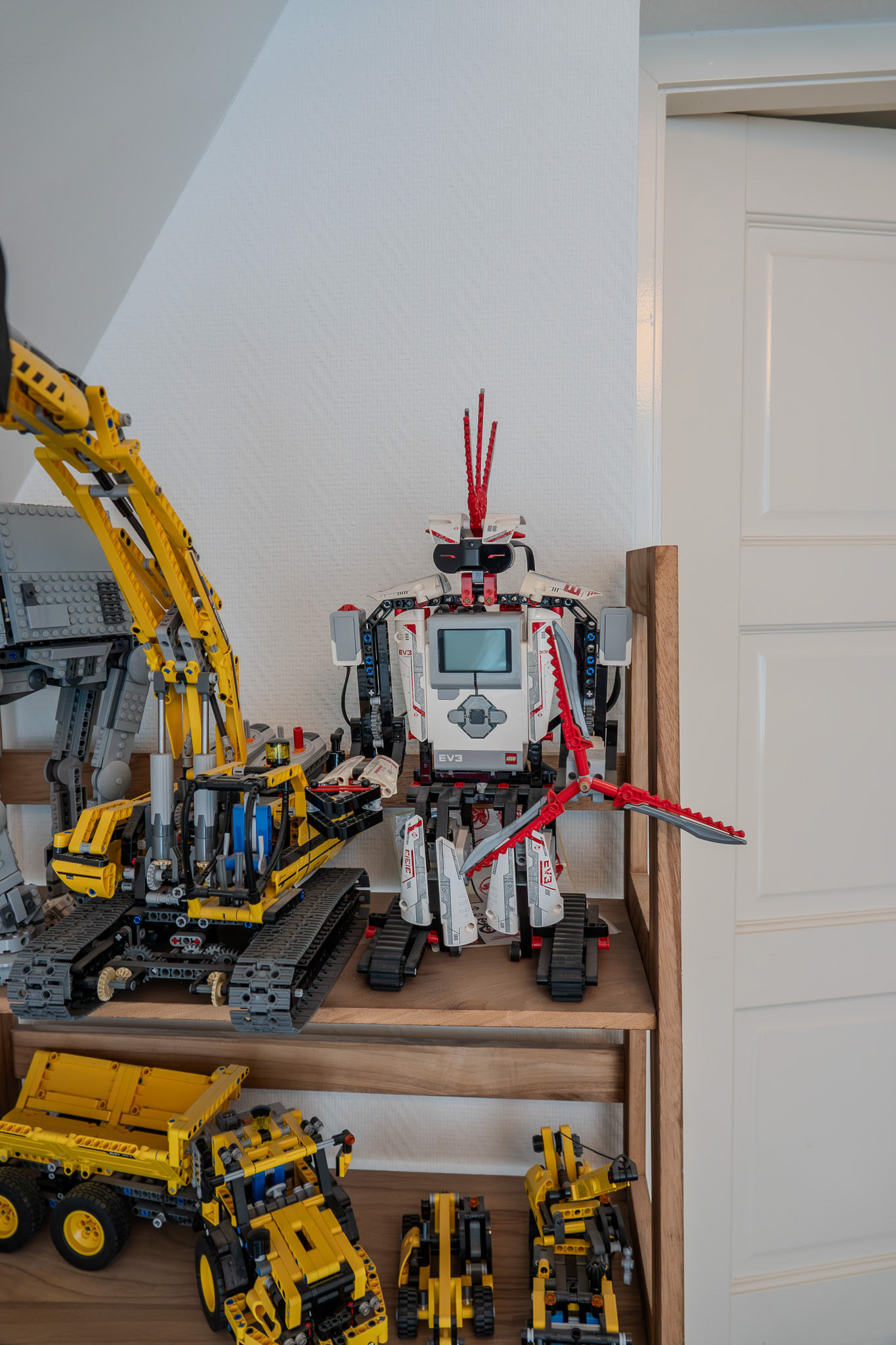
Figure 6. The LEGO EV3 in its basic form (note the different sensor types).
Figure 7 - Spektro kit
In a few words: guided experiments --> confidence to iterate/remix
Tinkering aspects
- The book gives structure (step-by-step support).
- Quick feedback: circuits either work or they don’t.
My story
Spektro was my "electrical" tinkering phase. I spent hours following the book and learning how resistors and currents work. After finishing the book, I started creating my own variations. I adored both LEGO and Spektro during my childhood.
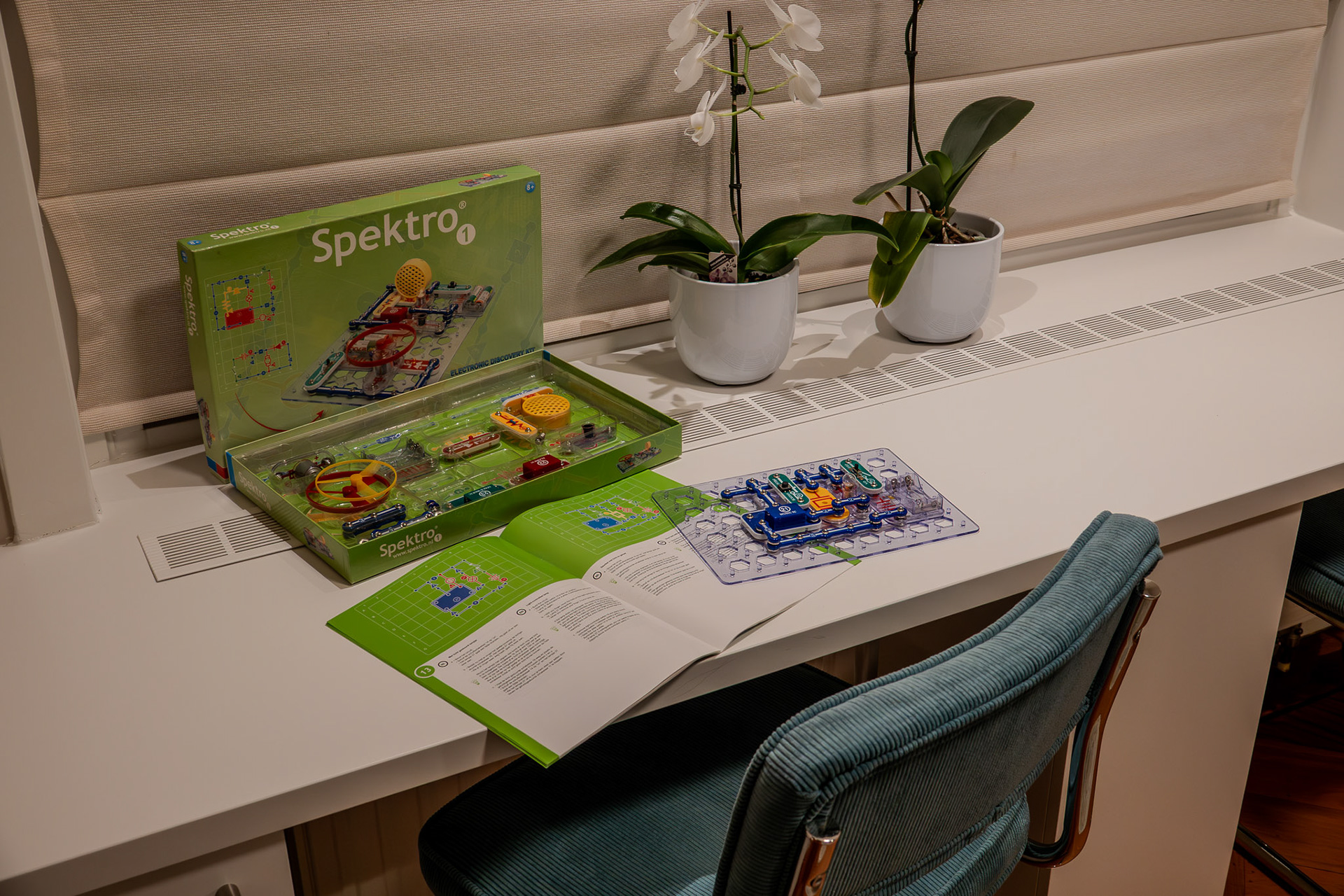
Figure 7. The Spektro kit I always played with when I was younger.
Figure 8 - Big wooden desk in Apeldoorn
In a few words: one desk, many projects
Tinkering aspects
- A stable "base" space where projects can stay out.
- Supports both digital and physical tinkering (switching modes).
My story
In high school / HBO / university, my tinkering shifted from physical to digital. At this desk, I designed and built lots of school projects (and surprises for Sinterklaas). Sometimes it was online Arduino work through TinkerCad, and sometimes more playful hardware like Rubber Duckies (I once programmed one to Rick Roll someone when they plugged it into their Windows laptop/PC).
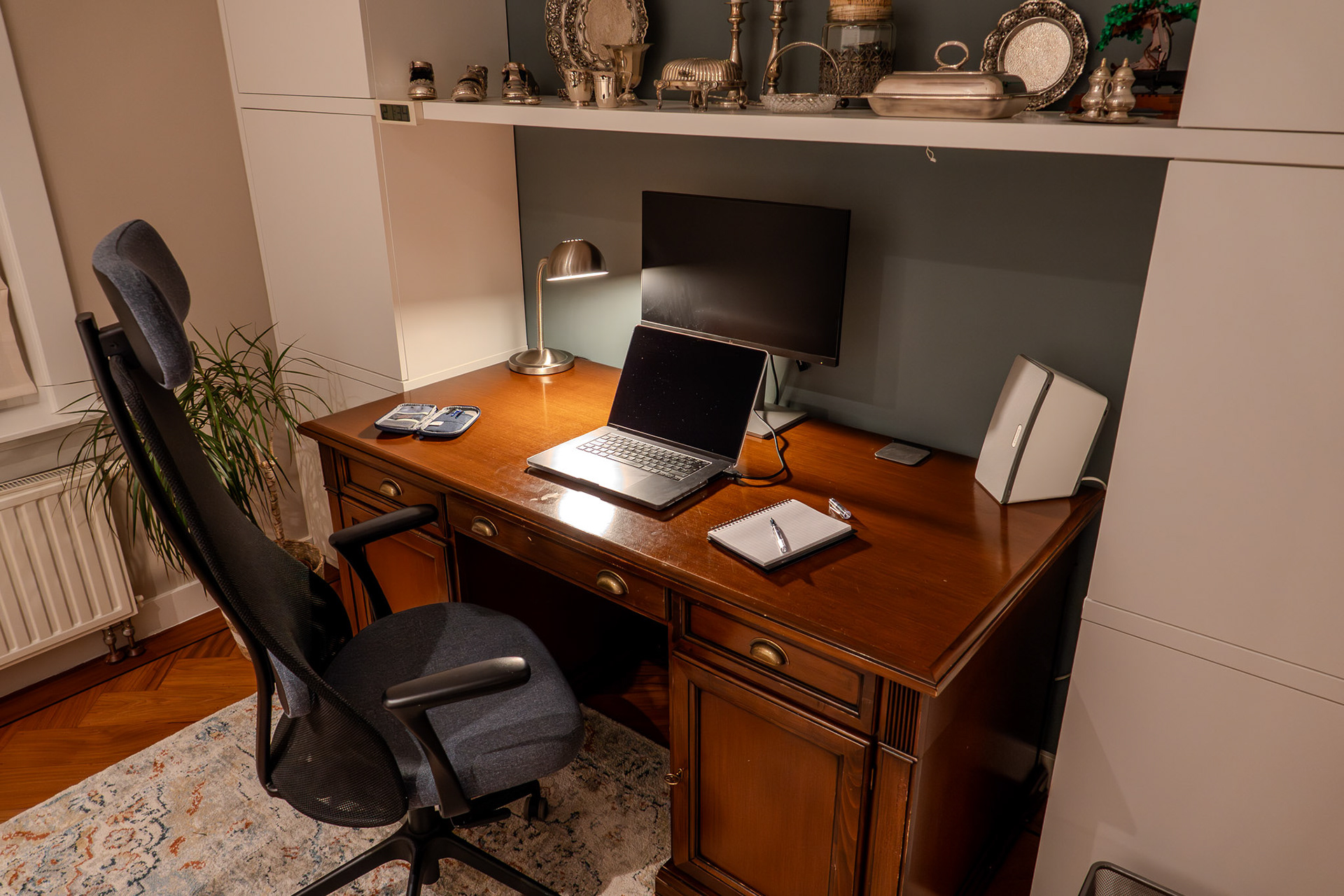
Figure 8. My big desk in Apeldoorn.
Figure 9 - Standing desk + 2 screens in Enschede
In a few words: always-ready digital toolbox
Tinkering aspects
- Low friction to start: everything is set up.
- Fast iteration in software (try, undo, try again).
My story
When I moved to Enschede, I got a standing desk (absolute bliss) and two screens. Here I mostly worked in Unity, Unreal, Blender, Photoshop and Premiere Pro for my HBO projects and work. The "tinkering" is less about materials and more about creating and testing versions/methods.
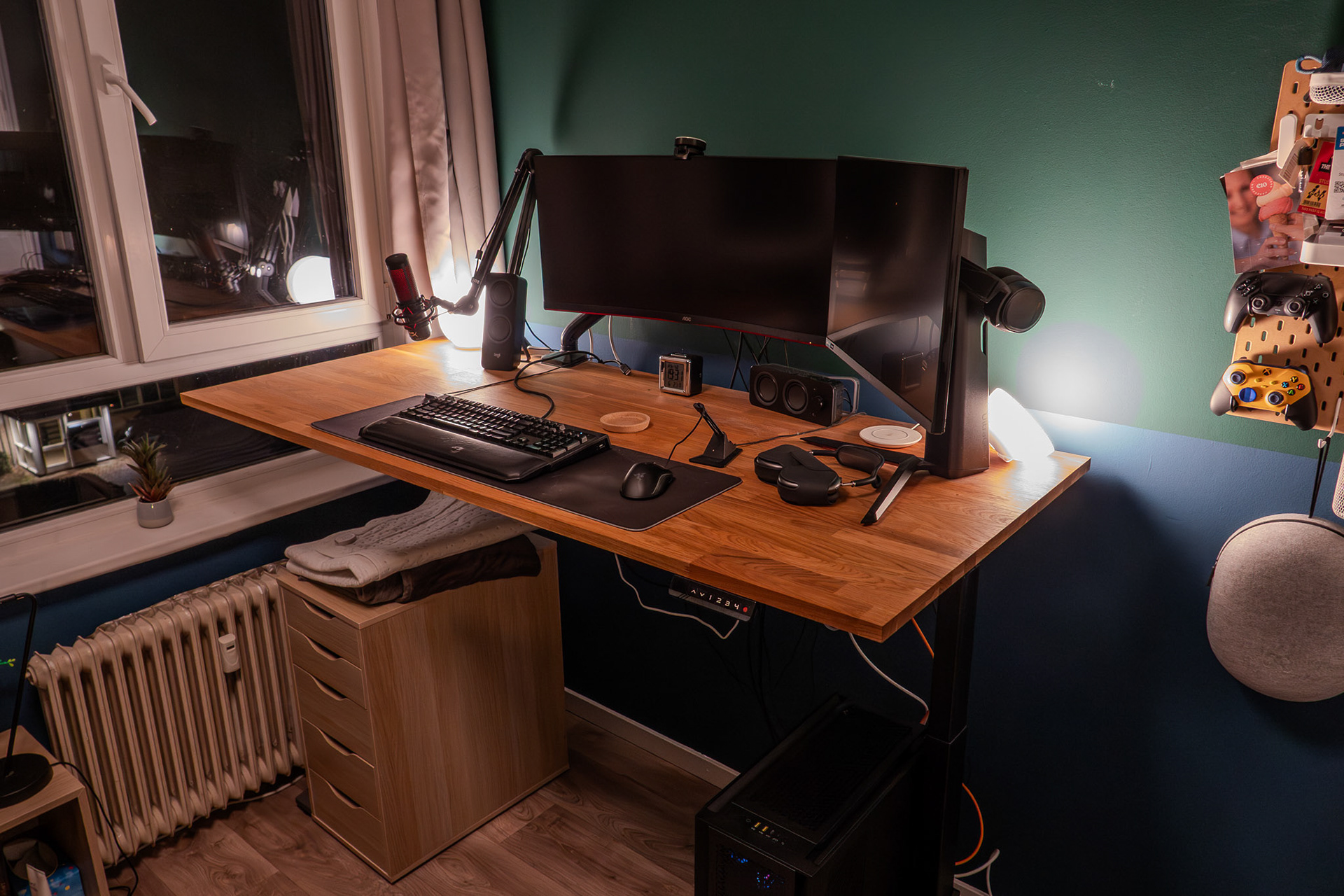
Figure 9. My standing desk in Enschede with my two monitors.
Figure 10 - Living room table for physical prototyping
In a few words: more space = more "messing around"
Tinkering aspects
- A bigger surface helps with physical prototypes.
- The space allows spreading out materials and iterating.
My story
When I want to build physical prototypes, I switch from my PC setup in the bedroom to the living room with my laptop. I’ve spent a lot of hours tinkering at that table, sometimes resulting in late nights.
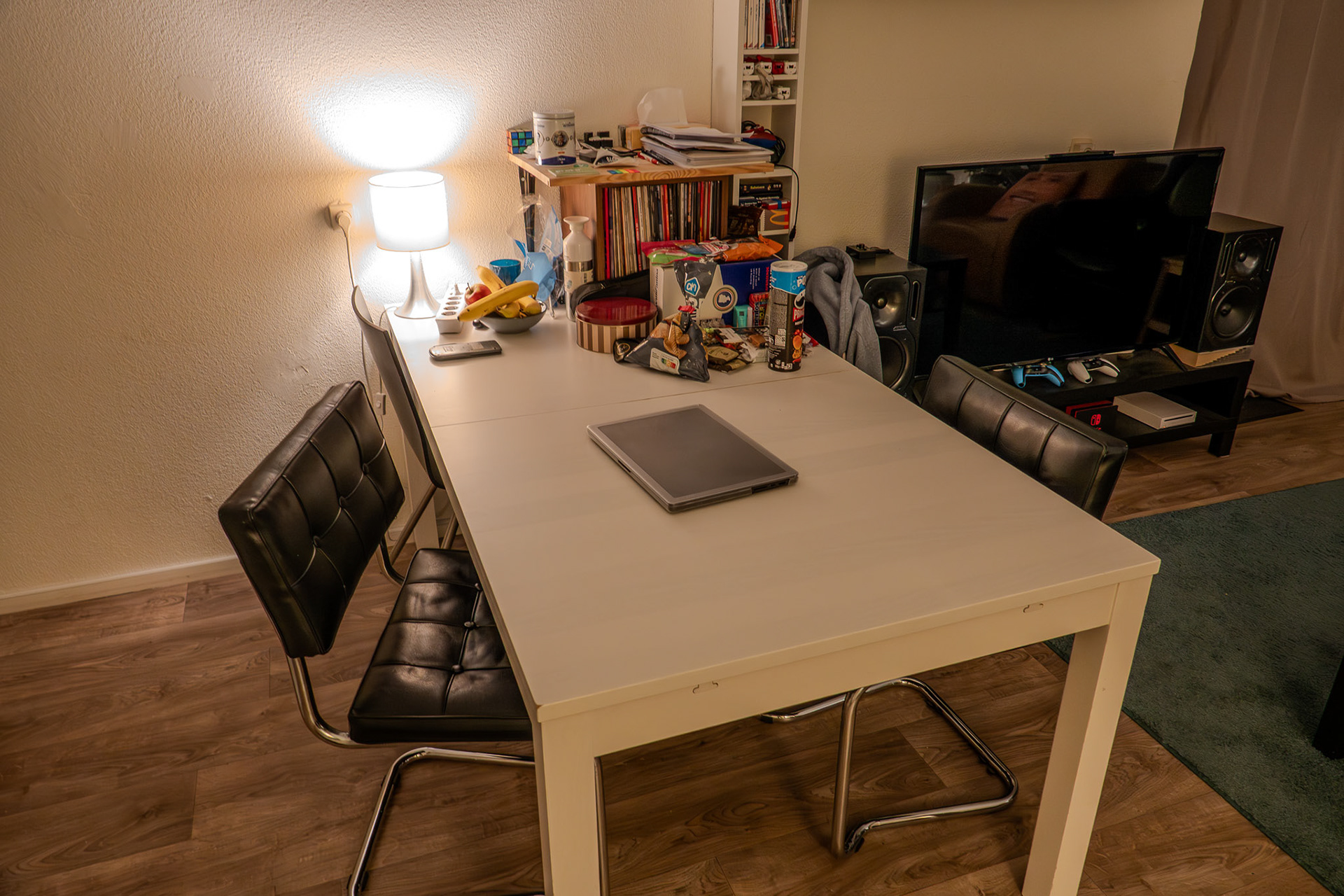
Figure 10. Our table in the living room in Enschede.
Figure 11 - Office / Pre-U
In a few words: brainstorming + iteration with others
Tinkering aspects
- Colleagues add fast feedback and new angles.
- Iteration through "versions": scripts, takes, edits, improvements.
My story
Another form of tinkering for me is making photos and videos, and editing them afterwards. It’s rewarding to shoot multiple versions, pick the best one, and improve it. For my work, I’m often responsible for the social media account and educational videos, so we brainstorm ideas in the office (standing desk, chocomel, fruit → best brain fuel). We often write a script and try to act and film it as best as possible.
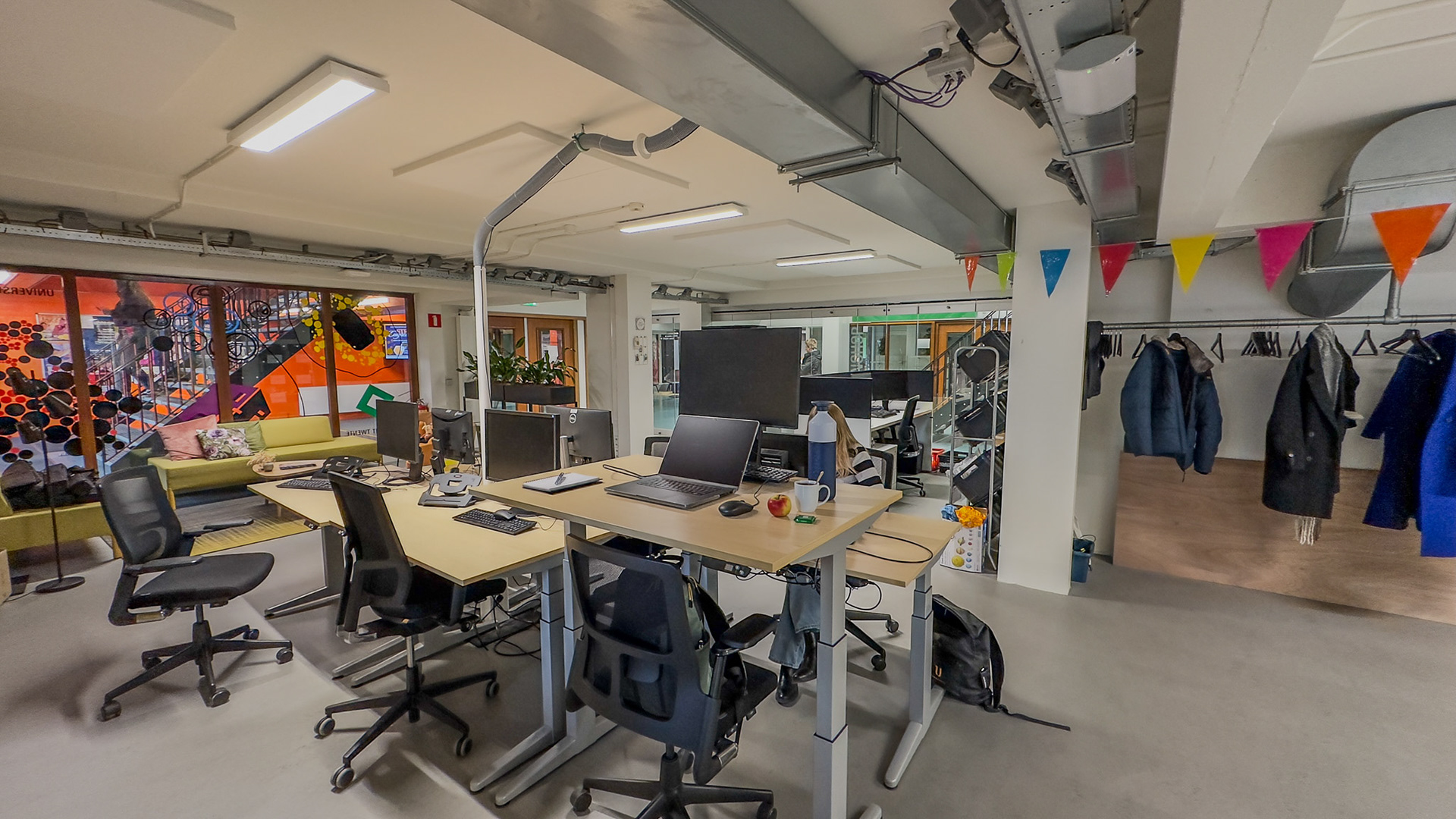
Figure 11. The standing desk at the office (with some fruit and hot chocolate milk).
Conclusion
These photos show how my process moves between ideating (shower, guitar, walking) and tinkering (LEGO/Spektro, desks, software, prototyping table). My best tinkering spaces are the ones where it is easy to start, easy to iterate, and where the environment either invites experimentation (tools/projects visible) or helps me clear my head so new ideas can form. At the same time, this safari already shows some points that could be designed better, such as stronger support for capturing ideas in ideation spaces and more visible prompts for experimentation in my digital workspaces.